The introduction of pneumatic systems in household fixtures marks a significant step in home design and functionality. The use of a Pneumatic Cabinet Door Lift and Wardrobe Tube Support demonstrates this technological advancement clearly. According to recent market reports, the global market for pneumatic lift supports is expected to grow significantly, with a projected CAGR of over 5% from 2023 to 2030. This growth is attributed to increasing consumer demand for convenience and improved usability in cabinetry.
Pneumatic Cabinet Door Lifts facilitate smooth opening and closing motions, enhancing user experience in kitchens and wardrobes. The supporting tube systems improve load distribution and stability, ensuring the safety of users. However, many consumers may still underestimate maintenance needs. Regular checks can extend the lifespan and reliability of these mechanisms, preventing unexpected failures.
While the advantages are clear, some users might face challenges during installation. Adequate knowledge and precise measurements are crucial. Regardless of these complexities, the investment in a high-quality Pneumatic Cabinet Door Lift and Wardrobe Tube Support can lead to long-term benefits and improved living spaces.
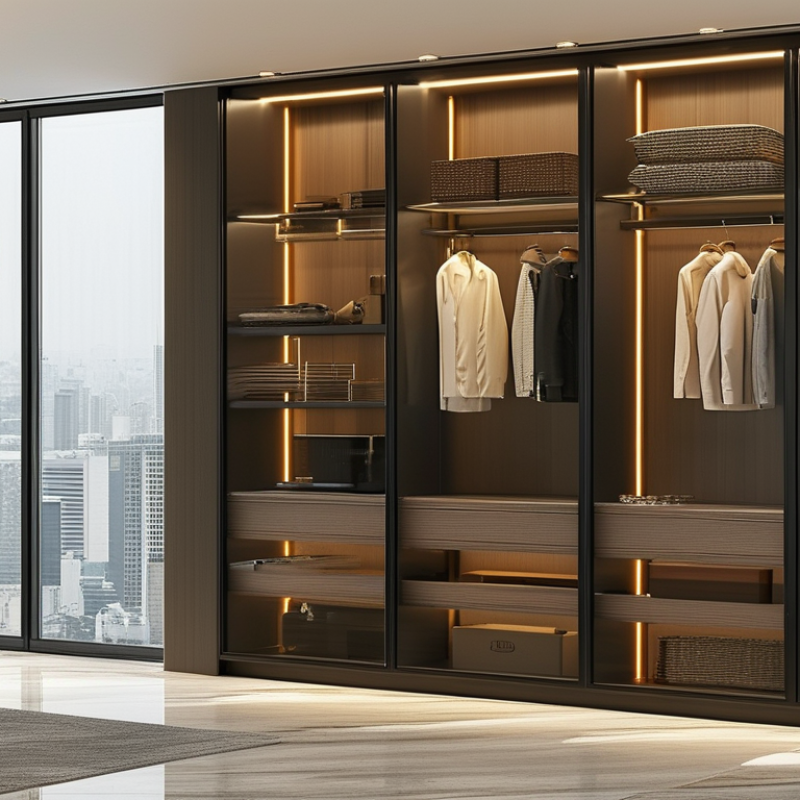
Pneumatic cabinet door lifts are innovative devices that enhance the functionality of cabinetry. They rely on air pressure to help lift and lower doors smoothly. This mechanism offers a seamless experience, making it ideal for modern kitchens and wardrobes. With simple installation, these lifts can transform traditional cabinets into more user-friendly designs.
The function of pneumatic cabinet door lifts is not just limited to convenience. They also support larger and heavier cabinet doors with ease. This capability allows for a clean design without bulky hardware. Users benefit from a soft-close feature, which reduces noise and wear over time. However, improper installation or maintenance can lead to issues. Users may find their doors sticking or failing to close properly. Such challenges remind us of the necessity of regular checks and potential adjustments.
In addition to practicality, these lifts contribute to aesthetic appeal. Designers appreciate how they eliminate visible hinges and complex mechanisms. The clean lines enhance the overall look of the space. Yet, it is essential to choose the right model for your specific needs. Not every lift is suitable for all cabinet styles. Thoughtful consideration is vital to ensure functionality and design harmony.

Pneumatic cabinet door lifts and wardrobe tube supports are essential components in modern cabinetry. These systems utilize air pressure to facilitate smooth operation. They are designed to lift and support doors effortlessly, enhancing user experience and convenience.
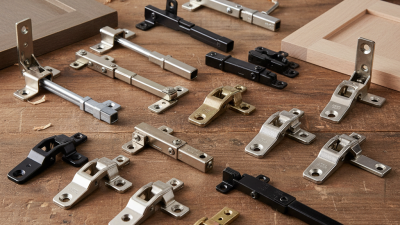
The main components of a pneumatic cabinet door lift include the gas spring, brackets, and the connecting rods. Gas springs provide the lifting force, allowing the door to stay open at an optimal angle. The brackets secure the gas springs to the cabinet and door, ensuring stability during use. Connecting rods link the door and the gas springs, facilitating smooth motion. Each part must be durable and reliable for effective operation.
Wardrobe tube supports, on the other hand, focus on vertical support for clothing rods and shelves. They often include adjustable features for customization, fitting various wardrobe sizes. Users may struggle with installation, requiring careful measurement and alignment. This process can be frustrating, but proper handling ensures functionality. Choosing quality components safeguards against failure, yet users should check weights and balances routinely.
| Component Name | Function | Material | Common Applications |
|---|---|---|---|
| Pneumatic Cylinder | Lift and lower cabinet doors | Aluminum, Steel | Kitchen cabinets, Furniture |
| Gas Spring | Provide support and cushioning | Steel, Plastic | Wardrobes, Lift-up doors |
| Mounting Bracket | Secure components to the frame | Steel, Aluminum | Cabinet assemblies |
| Release Mechanism | Control door opening and closing | Plastic, Metal | Lift cabinets |
| Support Arm | Connects door to the lift mechanism | Aluminum, Steel | Furniture, Storage solutions |
Pneumatic systems have emerged as a key innovation in cabinetry, particularly for applications like cabinet door lifts and wardrobe tube supports. These systems leverage air pressure to move cabinet components smoothly and effortlessly. According to a 2022 industry report by the Cabinet & Casework Manufacturers Association, pneumatic systems can improve operational efficiency by up to 40%. This leads to a more functional and user-friendly experience in home and office environments.
The advantages of pneumatic systems are significant. They offer precise control over the opening and closing of doors, minimizing wear and tear on hinges. An estimated 25% of users report enhanced safety due to reduced risk of slamming. The quiet operation of pneumatic lifts also contributes to a serene atmosphere, especially in busy kitchens or offices. While the initial investment may be higher compared to traditional hardware, the long-term benefits often justify the cost, particularly in high-traffic areas.
Despite these clear benefits, there can be challenges. Maintenance of pneumatic components is crucial for optimal performance. Some users find troubleshooting air leaks or pressure issues complex. Regular inspections can prevent larger issues down the line. Balancing ease of use with the technical knowledge needed for maintenance remains an area for improvement. Users must weigh these factors when considering pneumatic systems for their cabinetry needs.
Installing a pneumatic cabinet door lift can enhance the functionality of your wardrobe. The process involves several key steps to ensure a smooth operation. Begin by selecting the correct lift for your cupboard size. Measure the door height and weight for accuracy. This is essential to avoid future issues. Using inadequate lifts can lead to frustrations like door slamming or difficulty in opening.
Next, gather your tools. You will need a drill, screws, and a level. Attaching the lift requires precision. Position the lift on the upper side of the cabinet. Mark the drilling points carefully. If the holes are misaligned, the entire lift may not function properly. After fixing the lift, test the door's movement. It should open and close smoothly.
Installation can be tricky. Not everyone gets it right on the first try. It’s common to face challenges such as misalignment or weight handling. Be patient and don't hesitate to make adjustments. Ensuring that everything is in place is vital for long-term reliability. Taking the time to follow these details can lead to a more satisfying user experience.
Wardrobe tube supports are essential in modern furniture design. They offer stability and flexibility for cabinet doors and wardrobes. These supports allow doors to open smoothly while maintaining an elegant aesthetic. Designers often choose them for their minimalist appearance. Furthermore, this simplicity does not compromise performance.
In many homes, wardrobe tube supports find various applications. They are common in bedrooms, living rooms, and even offices. These supports help create organized spaces while ensuring easy access to belongings. However, not all installations are perfect. Some users may find their wardrobes wobble if not properly installed. This highlights the need for careful planning and design.
Consider how these supports can impact functionality. A well-designed wardrobe with tube supports enhances convenience. It allows easy access without sacrificing style. Yet, if the mechanisms fail or are poorly constructed, they lead to frustration. Evaluating quality and design is crucial before committing to a choice. Making informed decisions about wardrobe tube supports can lead to a functional and stylish storage solution.