2026 Top Gas Spring Cabinet Support Innovations and Trends?
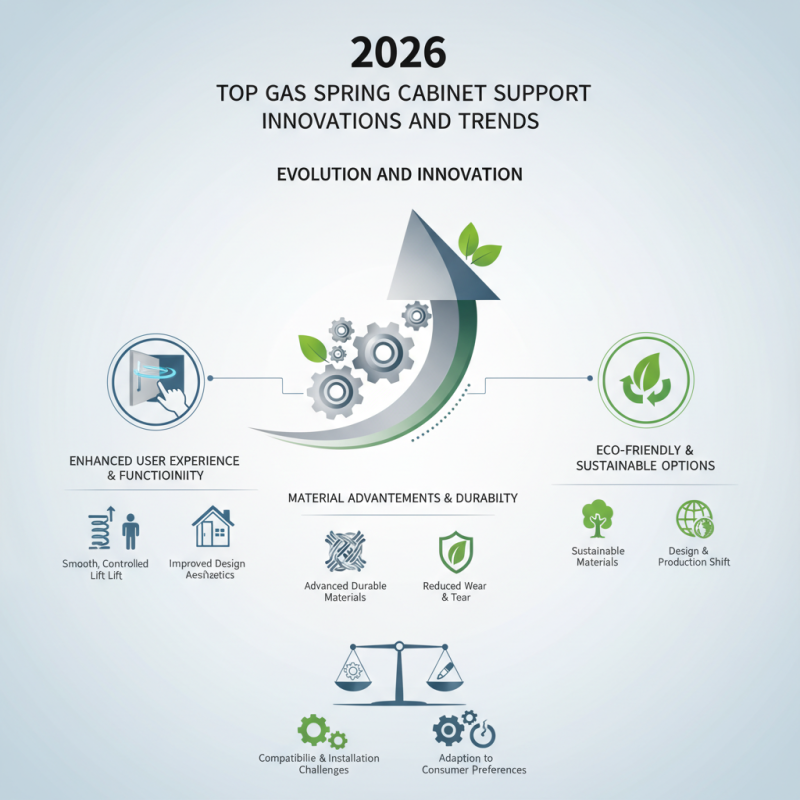
The world of interior design is evolving rapidly, and with it, the innovations in Gas Spring Cabinet Support. These mechanisms play a crucial role in enhancing user experience and functionality in modern cabinetry. As we approach 2026, new trends are emerging that highlight the importance of convenience and aesthetics in cabinetry solutions.
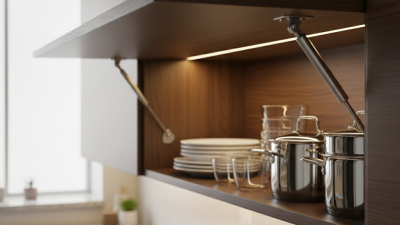
Gas Spring Cabinet Support systems provide a smooth, controlled lift for cabinet doors. This essential feature not only improves accessibility but also elevates the overall design of the space. Recent advancements focus on materials that enhance durability while reducing wear and tear. However, despite these innovations, manufacturers face challenges with compatibility and installation processes in diverse settings.
The rising demand for eco-friendly options also shapes future developments. Consumers are increasingly choosing sustainable materials in their daily lives. This trend affects the design and production of Gas Spring Cabinet Support systems. As we look ahead, the balance between functionality, sustainability, and style will be critical. It's essential for manufacturers to adapt and reflect on these shifts in consumer preferences.
Innovative Designs in Gas Spring Cabinet Supports for 2026
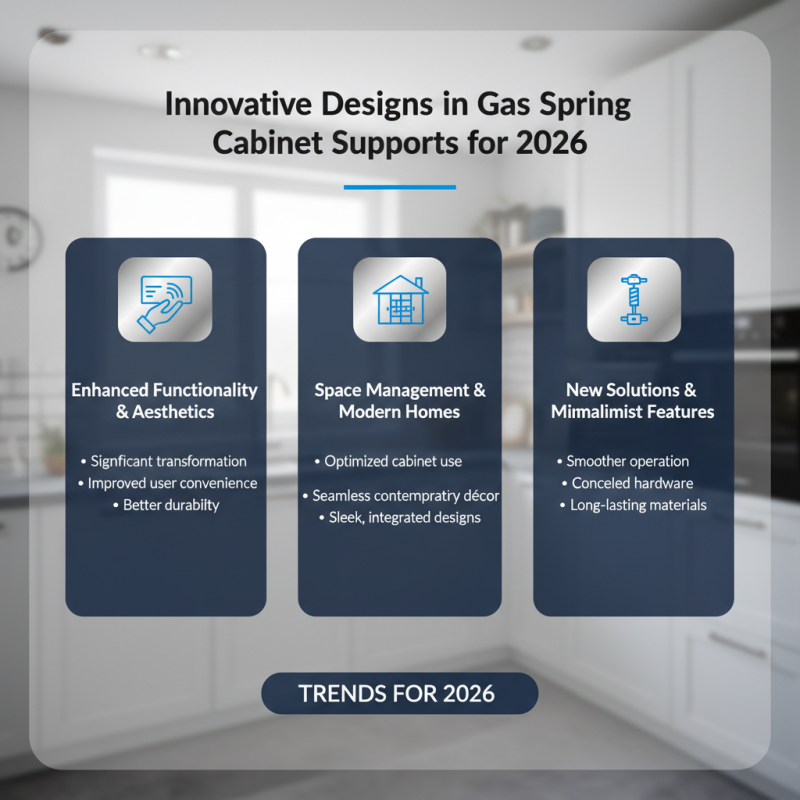
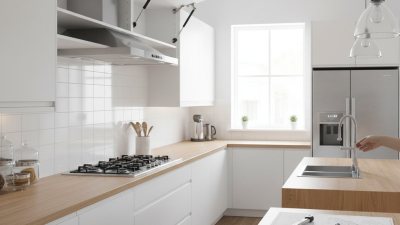
In 2026, the design landscape for gas spring cabinet supports is poised for significant transformation. Innovative approaches are emerging to enhance functionality and aesthetics in cabinetry. These new solutions prioritize user convenience and improve space management in modern homes. The focus is on sleek designs that blend seamlessly with contemporary décor. Some designs incorporate minimalistic features that allow for smoother operation and better durability.
Sustainability is also driving design trends in gas spring supports. Manufacturers are increasingly exploring eco-friendly materials. However, challenges remain in balancing quality and environmental impact. Some designs struggle with durability, leading to short lifespans. This raises questions about product longevity versus immediate sustainability. The evolution of gas spring supports reflects changing consumer preferences, but the industry faces a critical need for innovation.
Another key trend is the integration of smart technology. This allows for automated opening and closing mechanisms. While advancements are exciting, reliability can be a concern. User feedback often highlights glitches in the settings. Designers must address these practical issues to ensure a smoother experience. As innovations continue to shape the future, the importance of reliability remains paramount.
Emerging Technologies in Gas Spring Mechanisms for Enhanced Performance
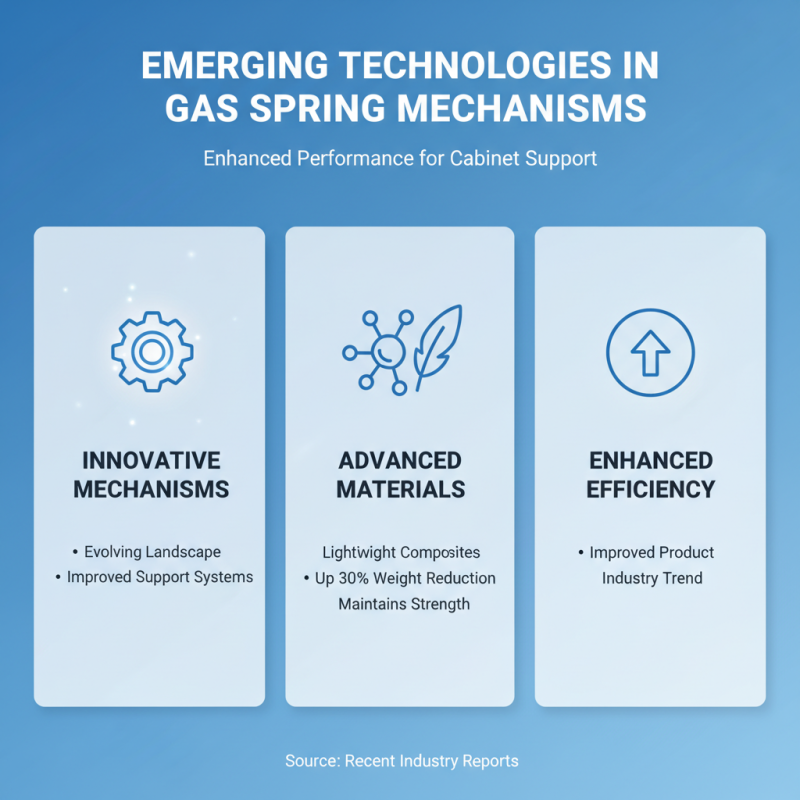
The evolving landscape of gas spring cabinet support is driven by innovative technologies and improving mechanisms. Recent industry reports highlight that advancements in material science play a crucial role in enhancing the performance of gas springs. Manufacturers are increasingly using lightweight composites, which can reduce weight by up to 30% while maintaining strength. This trend significantly improves overall product efficiency.
Smart technologies are also gaining traction in gas spring design. Embedded sensors within gas springs can provide real-time data on load, usage frequency, and performance metrics. This data allows for predictive maintenance, reducing the likelihood of failure. Studies indicate that over 70% of manufacturers are incorporating some level of smart technology into their products, aiming for increased reliability.
However, despite these advancements, challenges still linger. The integration of new materials can lead to complications in manufacturing processes. Additionally, the need for skilled technicians to install and maintain these sophisticated systems is rising. Industry professionals often express concerns about balancing innovation with practicality in deployment and maintenance.
Sustainability Trends in Gas Spring Manufacturing and Materials
In recent years, sustainability has become a focal point in the manufacturing of gas springs. Manufacturers are exploring eco-friendly materials to replace traditional options. This shift contributes to reduced environmental impact while maintaining performance. Innovative composite materials and recycled components are now at the forefront. These changes reflect a growing commitment to sustainability within the industry.
However, the transition is not without challenges. Ensuring that new materials meet stringent quality standards can be difficult. Some manufacturers struggle to find the right balance between cost and sustainability. There are ongoing debates about the longevity and durability of alternative materials. Despite these hurdles, many companies continue to invest in research and development. They aim to enhance performance while reducing their carbon footprint.
Understanding the importance of lifecycle assessments is crucial. Companies are now considering the entire lifecycle of their products. This includes sourcing, manufacturing, use, and disposal. The goal is to minimize waste and maximize recyclability. The trend highlights the need for continuous innovation in gas spring technology, reflecting broader sustainability goals in manufacturing.
2026 Top Gas Spring Cabinet Support Innovations and Trends
Customization Options for Gas Spring Cabinet Supports in Modern Interiors
In modern interior design, customization options for gas spring cabinet supports have become increasingly significant. This trend aligns with the growing demand for personalized furniture solutions. According to a 2023 market report, the global furniture customization market is expected to grow by 15% annually, reflecting a shift toward tailored designs.
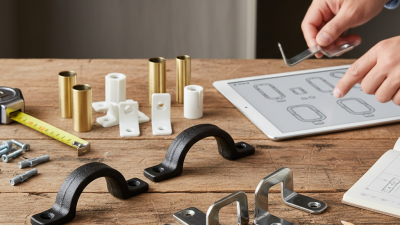
Customization allows consumers to choose the strength and length of gas springs. This helps them achieve the right balance for their specific cabinet needs. Options like adjustable tension or damping features enhance functionality. Consumers appreciate the choice of materials and finishes that complement their interiors. About 68% of homeowners prefer customized finishes that match their decor.
While customization offers numerous benefits, it also poses challenges. Not all manufacturers can deliver timely, quality solutions. A survey revealed that 45% of consumers are frustrated with long lead times for custom products. Understanding the limitations of customization is essential. It fosters a more realistic approach to exploring design possibilities. Balancing creativity with practicality ultimately leads to better user experiences in modern interiors.
Market Analysis: Leading Brands and Products in Gas Spring Innovations
The gas spring market is evolving rapidly, with innovations leading the way in design and functionality. Current reports suggest that the gas spring industry is expected to grow at a CAGR of over 5% by 2026. This growth highlights the increasing demand for flexible and efficient cabinet support systems. Leading brands are focusing on integrating smart technology into their gas springs, allowing for enhanced control and usability.
In terms of product features, adjustable force and ease of installation are gaining traction. Newer models offer a wider range of motion while maintaining stability. However, some users report issues with durability and performance consistency. This underscores the importance of quality control in manufacturing processes. There is also a noticeable trend towards eco-friendly materials, reflecting consumer awareness of sustainability.
Market analysis indicates that companies are investing heavily in research. However, the pace of innovation sometimes fails to meet user expectations. As brands compete, customer feedback remains crucial for refining product offerings. The ability to adapt and overcome challenges will define the leading players in the industry.