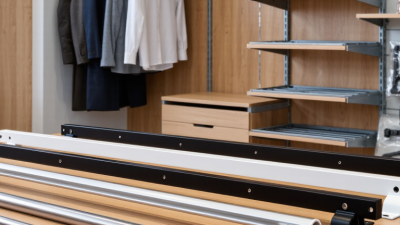
Global wardrobe manufacturers and furniture buyers rarely judge a cabinet by appearance alone. They inspect the small parts that carry daily stress, including the Wardrobe Rail Bracket. A bracket may support coats, uniforms, bags, and seasonal clothing for years. Its material, wall connection, adjustment range, and corrosion resistance directly affect user confidence.
As wardrobe hardware consultant David Lin explains, “A reliable rail system starts with the bracket, not the wardrobe door.” This practical view matters for global buyers comparing suppliers across different production regions. Experienced sourcing teams examine more than catalogue photos. They request load-test records, material specifications, surface-finish details, and sample measurements. They also check whether the supplier can maintain consistent hole positions across large orders.
Small details matter.
A powder-coated steel bracket may look identical to a zinc alloy model, yet their strength and ageing performance can differ. Stainless steel can suit humid rooms, while reinforced steel may offer better value for high-volume projects. Packaging also deserves attention. Bent flanges, scratched finishes, or missing screws can delay installation and increase hidden costs.
No supplier is perfect. Even a reputable factory may experience batch variation, communication gaps, or unexpected transport damage. Buyers should acknowledge this risk instead of relying on attractive claims. Clear drawings, independent inspections, traceable samples, and responsive after-sales support create stronger purchasing decisions.
This guide introduces leading Wardrobe Rail Bracket suppliers for global buyers. It focuses on practical evidence, manufacturing capability, customization, quality control, and delivery reliability. The aim is not to praise every supplier equally. It is to help buyers ask sharper questions before committing to a long-term hardware partnership.
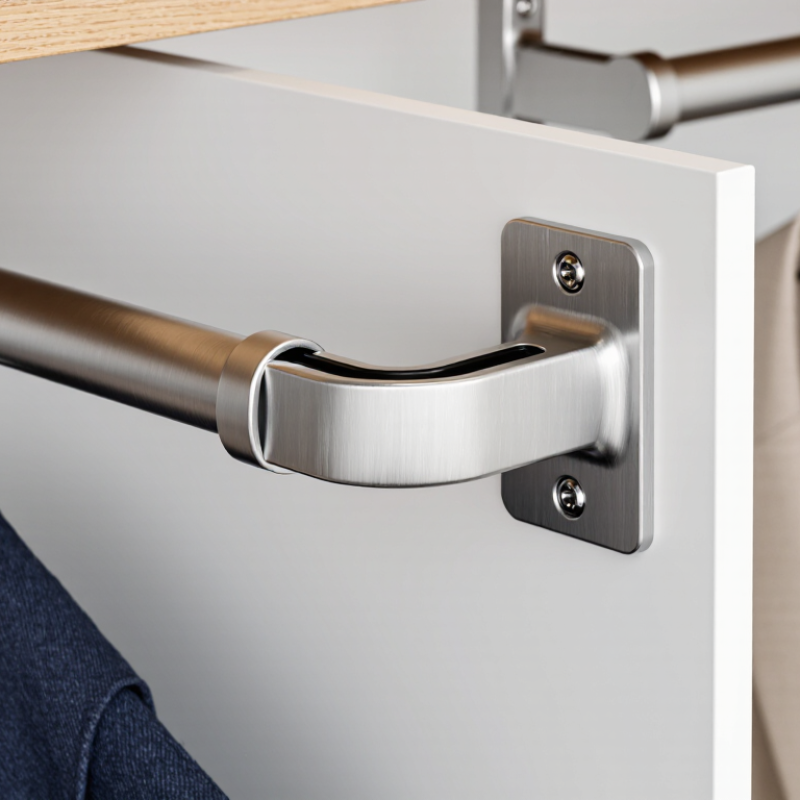
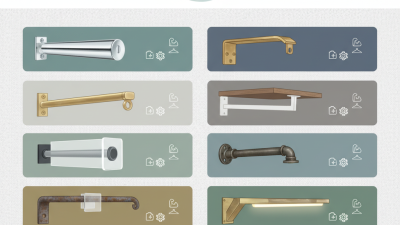
Wardrobe rail brackets vary widely in material, size, and load capacity. These details matter more than appearance during daily use. Steel brackets suit heavy coats, dense wardrobes, and frequent movement. Aluminum offers lower weight and good corrosion resistance. Zinc alloy can provide clean shapes, but quality depends on casting control. Plastic models fit light clothing and compact storage areas.
Common rail diameters include 16, 19, 25, and 32 millimeters. The bracket opening must match the rail closely. Even a small mismatch can create movement and noise. Buyers should check plate thickness, screw-hole spacing, and wall clearance. A deeper bracket may protect garments from side panels. That small detail is easy to miss.
Load ratings need careful reading. Some suppliers state a maximum static load for one bracket. Others describe the capacity of a complete rail system. These figures are not interchangeable. A practical check uses the rail length, bracket spacing, wall material, and fastener type. For example, a long rail fixed to weak plasterboard may fail below its advertised rating. Real installations are less perfect. Humidity, uneven walls, and repeated pulling can reduce performance. Request test methods, sample measurements, and batch inspection records before placing large orders. Supplier evidence should be specific, dated, and technically understandable.
Supplier qualification should begin with ISO 9001, not a polished product catalogue. The ISO Survey 2022 recorded 1,265,216 valid ISO 9001 certificates worldwide. This figure shows adoption, not automatic quality. Ask for the certificate scope, issuing body, audit status, and factory address. Check whether it covers metal forming, plating, assembly, or only administration. A real audit trail includes incoming steel records, coating thickness results, calibrated gauges, and batch-level traceability.
RoHS and REACH checks protect more than legal access. They expose weak material control. Request current declarations for restricted substances, supplier test reports, and a process for updating substances of very high concern. ECHA’s public chemicals database contains registration information for tens of thousands of substances, so generic compliance letters deserve careful review. They can be outdated.
EN 1670 is essential where brackets face humid wardrobes, transport, or coastal storage. Its corrosion-resistance grades range from Grade 0 to Grade 5, with higher grades requiring stronger resistance testing. Confirm the requested grade and test method in writing. Inspect salt-spray photographs, not just pass certificates. In practice, plating defects often appear around screw holes and sharp bends. That detail matters. I would also audit one production batch before approval, although this adds time and cost. Certificates can still miss poor packing, mixed materials, or inconsistent thickness. That uncomfortable gap needs attention.
When comparing wardrobe rail brackets, rated load should come before appearance. A 30-kilogram rating may apply to one bracket, not a complete rail. Ask whether testing used evenly distributed weight or a central hanging load. Real wardrobes often carry uneven pressure from coats, shoes, and drawers. That difference matters.
Steel gauge offers another practical clue. Thicker steel usually resists bending, but gauge numbers vary by regional convention. Request the actual millimeter thickness, not only “heavy duty.” In field installations, thin brackets can twist near screw holes. Still, thicker steel cannot fix weak anchors or poor wall conditions. I learned that specification sheets rarely tell the whole story.
Finish & Service Life Finish affects both appearance and service life. Powder coating gives a smooth surface and many color options, while zinc plating can protect exposed steel when applied evenly. Check coating thickness, edge coverage, and adhesion testing. Corrosion resistance deserves clearer evidence. Ask for salt spray results, test duration, and the standard used. Salt spray is useful, but it does not perfectly represent humid closets, coastal homes, or cleaning chemicals. Stainless steel may suit damp environments, though its higher cost needs justification. A polished sample can hide untreated cut edges. Inspect those edges closely. For international purchasing, compare test reports, packing quality, replacement policies, and batch consistency rather than relying on catalog photographs.
A reliable wardrobe rail bracket supplier should disclose MOQ, production capacity, and export experience clearly. Typical MOQs range from 500 to 5,000 pieces, depending on finish, packaging, and tooling needs. Ask for a written sample schedule before placing an order. Standard samples may take 7–12 days, while custom finishes often require three weeks. Lead times can change during peak seasons. That detail matters.
Incoterms shape the real landed cost. FOB may suit buyers with established freight partners, while DDP can simplify delivery for smaller importers. Confirm who handles export clearance, insurance, port charges, and destination duties. Review recent export data, but treat it as evidence rather than proof. Shipment frequency, destination markets, and product descriptions should match the supplier’s stated experience. Request inspection reports, material specifications, load-testing results, and carton dimensions. A supplier that answers slowly may still produce well, but poor documentation creates avoidable risk. I have seen buyers focus on unit price and overlook damaged cartons.
Tips: Compare at least three quotations using the same specifications. Check MOQ by color and finish, not only by total quantity. Ask for a realistic shipping window, not an optimistic promise. Verify payment terms and inspection rights in writing. Recheck export records through dependable trade databases where available. A small pilot order is often wiser than a large first shipment. Mistakes happen. Good suppliers make them visible early.
Selecting wardrobe rail bracket suppliers requires more than comparing unit prices. Cost should include tooling, packaging, freight, inspection, and replacement rates. A supplier offering a low quotation may create higher installation costs later. The 2023 World Bank Logistics Performance Index assessed logistics performance across 139 economies, highlighting customs, shipment reliability, and delivery quality. Ask for landed-cost calculations and recent delivery records. Request samples with actual rail loads, screw positions, coating thickness, and carton dimensions.
Compliance must be documented, not merely promised. Require material declarations, test reports, traceability codes, and factory quality procedures. The ISO Survey 2023 recorded more than 1.2 million ISO 9001 certificates worldwide, showing the broad use of quality-management systems. Yet certification alone is not proof of consistent bracket performance. Check whether the certificate covers the manufacturing site and relevant processes. Customization also needs discipline. Confirm drawings, tolerances, surface finishes, corrosion testing, minimum order quantities, and tooling ownership before approval. A small dimensional change can affect cabinet alignment.
Tips: Compare at least three suppliers using one shared specification sheet. Test production samples, not only showroom pieces. Define response times for defects, spare-part availability, warranty limits, and corrective-action reports. Ask who pays for failed inspections. After-sales support is often overlooked. It should include installation guidance, replacement scheduling, and clear escalation contacts. Some details may remain uncertain, especially when factories subcontract plating or packaging. Record those gaps and review them before signing.