Home hardware manufacturer 18+ years

Leave Your Message
-
E-mail
-
Whatsapp

-
Wechat

Home hardware manufacturer 18+ years


Discover our premium selection of gas springs and hinges engineered specifically for bedroom furniture.
The global furniture hardware market is undergoing a profound transformation, driven by the increasing demand for space optimization, ergonomic design, and smart home integration. At the heart of this revolution is the Cabinet Door Gas Spring. Traditionally viewed as a simple mechanical component, the gas spring has evolved into a highly engineered pneumatic device essential for modern bedroom furniture and built-in wardrobes. In today's highly competitive industrial landscape, manufacturers and interior designers are no longer satisfied with basic functionality; they demand precision, durability, and a seamless user experience.
From a commercial perspective, the integration of high-quality gas springs directly correlates with the perceived value of bedroom furniture. Consumers are willing to invest premium prices for wardrobes that feature soft-close mechanisms, effortless lifting, and silent operation. This consumer behavior has prompted B2B hardware suppliers and ODM manufacturers to elevate their production standards. Modern gas springs must now pass rigorous industrial testing, including the 100,000 open-close cycle tests and 48-hour salt spray corrosion resistance certifications. These metrics are not just numbers; they represent the lifespan of the furniture and the brand reputation of the manufacturer.
The shift towards bespoke, built-in wardrobes has surged the demand for tailored hardware solutions. Standardized gas springs often fall short when dealing with oversized, heavy custom door panels (ranging from 10kg to 120kg). Consequently, flexible ODM (Original Design Manufacturing) services have become the industry standard. Hardware providers must now offer comprehensive solutions, from structural optimization based on specific door materials (MDF, solid wood, glass-aluminum frames) to custom load-bearing calibrations.
The application of gas springs within the bedroom extends far beyond simple kitchen cabinets. The modern bedroom is a sanctuary of rest, requiring hardware that operates invisibly and silently. Let us explore the sophisticated application scenarios where cabinet door gas springs redefine spatial utility.
In floor-to-ceiling built-in wardrobes, the uppermost compartments are typically reserved for out-of-season clothing and bedding. Utilizing top-lift doors powered by precisely calibrated gas springs allows users to effortlessly access these high spaces. The pneumatic struts hold the door securely open at a specific angle, preventing accidental closures and ensuring user safety while organizing heavy items.
Ottoman beds and platform beds with hidden storage rely heavily on heavy-duty gas spring lifts. These mechanisms must bear the combined weight of the mattress and the bed frame. Advanced gas springs provide a smooth, assisted lift, transforming the traditionally strenuous task of lifting a bed into a one-handed operation, maximizing the bedroom's square footage.
Modern bedroom designs often incorporate multi-functional furniture, such as hidden vanity desks integrated into the wardrobe structure. Gas springs are utilized to smoothly reveal mirrors and cosmetics compartments. The dampening effect of the gas spring ensures that the delicate glass components are not subjected to sudden shocks, preserving the integrity of the furniture.
Furthermore, the integration of these pneumatic supports allows for handle-less designs. When paired with push-to-open magnetic catches and 3D adjustable concealed hinges, gas springs enable a completely flush, minimalist aesthetic that is highly sought after in contemporary interior design. The seamless interplay between these hardware components creates a bedroom environment that is both visually stunning and ergonomically flawless.
As we look toward the future, the intersection of mechanical hardware and AI technology is creating unprecedented opportunities. The trajectory of cabinet door gas springs for bedroom furniture is moving rapidly towards smart, automated, and highly durable systems.
1. Miniaturization and Concealment: The current design trend heavily favors "invisible" hardware. Engineers are developing micro-gas springs that offer the same lifting force as their larger predecessors but can be seamlessly integrated into the thinnest of wardrobe panels or aluminum frames. This requires advanced material science, utilizing high-carbon steel and aerospace-grade seals to prevent nitrogen gas leakage over decades of use.
2. Smart Sensor Integration: While traditional gas springs rely on physical force, the next generation is being integrated with AI-driven smart home ecosystems. We are seeing the conceptualization of electro-pneumatic struts that can be activated via voice commands or proximity sensors. Imagine a built-in wardrobe that senses your presence and gently opens the required compartment, with the gas spring providing the smooth mechanical execution guided by an electronic motor.
3. Eco-Friendly and Sustainable Materials: Environmental compliance is no longer optional. The manufacturing of gas springs and accompanying heavy-duty zinc alloy 3D hidden door hinges is shifting towards recyclable materials and eco-friendly electroplating processes. Nickel-color finishes and anti-corrosion treatments are being formulated to reduce chemical runoff, ensuring that the hardware inside your bedroom is safe for both your family and the planet.
Professional ODM Service|3D Adjustable Heavy-Duty Concealed Hinge Customization Expert
At Zhimax Hardware, we specialize in the R&D and production of high-end metal heavy-duty door hinges and gas springs, focusing on 3D adjustable concealed hinge series. Featuring precision-engineered structures, exceptional load-bearing capacity (compatible with door panels over 10-120kg), and silent opening-closing performance, our products meet diverse demands in commercial spaces and residential environments. As a comprehensive ODM solutions provider, we deliver full-cycle support—from product design, logo customization, to packaging solutions—empowering clients to establish distinctive brand identities.
Whether you require small-batch flexible orders (minimum order quantity of 100 units) or wish to validate quality with free samples prior to purchase, we ensure swift response and tailored service. All products undergo rigorous 100,000 open-close cycle tests and 48-hour salt spray corrosion resistance certification, guaranteeing long-lasting durability. Our team of dedicated engineers offers structural optimization recommendations and customized adjustment solutions based on door materials and installation requirements, achieving seamless concealed installation effects.
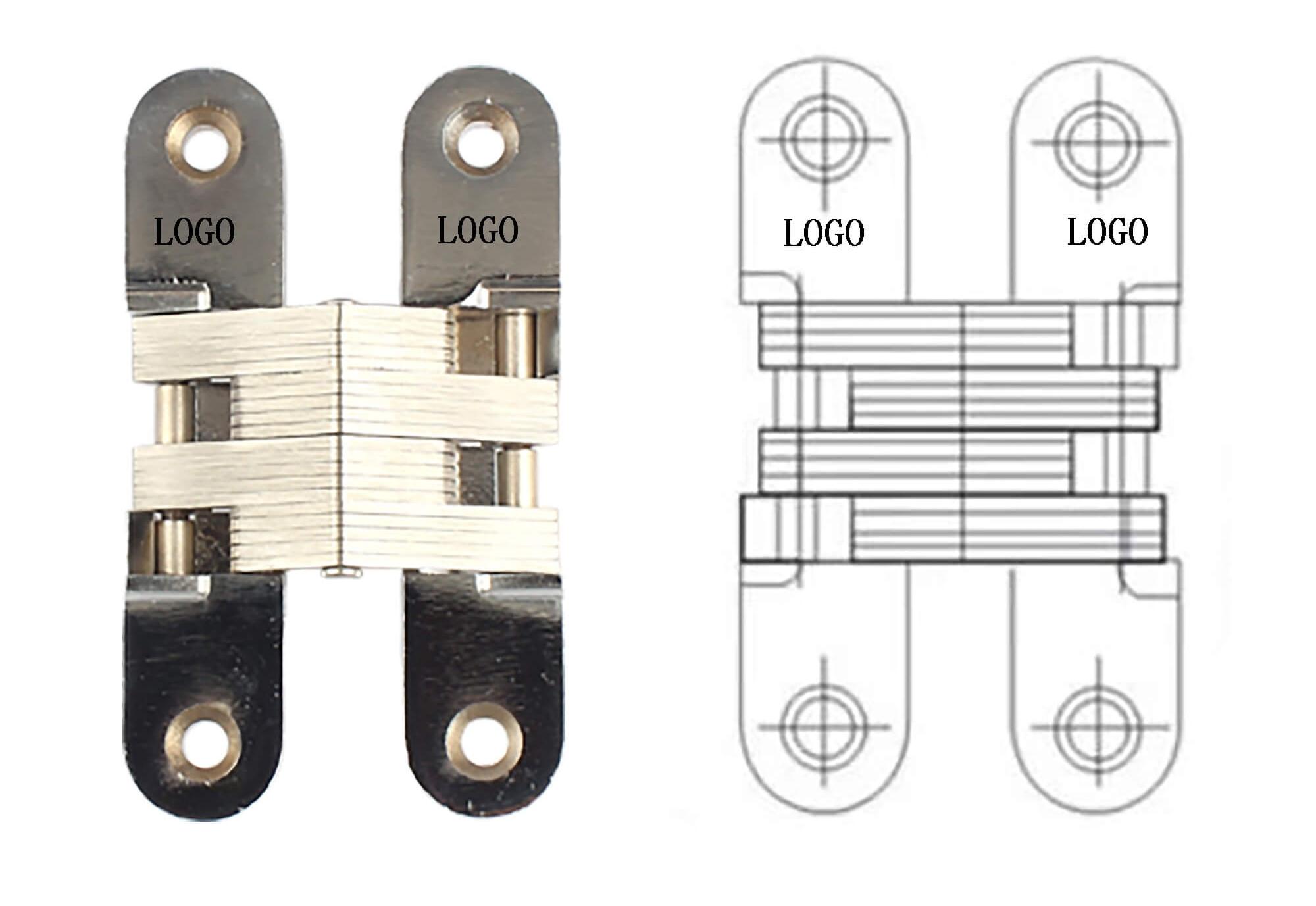
Just provide us with your logo file, and our designer will realize your idea seamlessly onto your hardware.
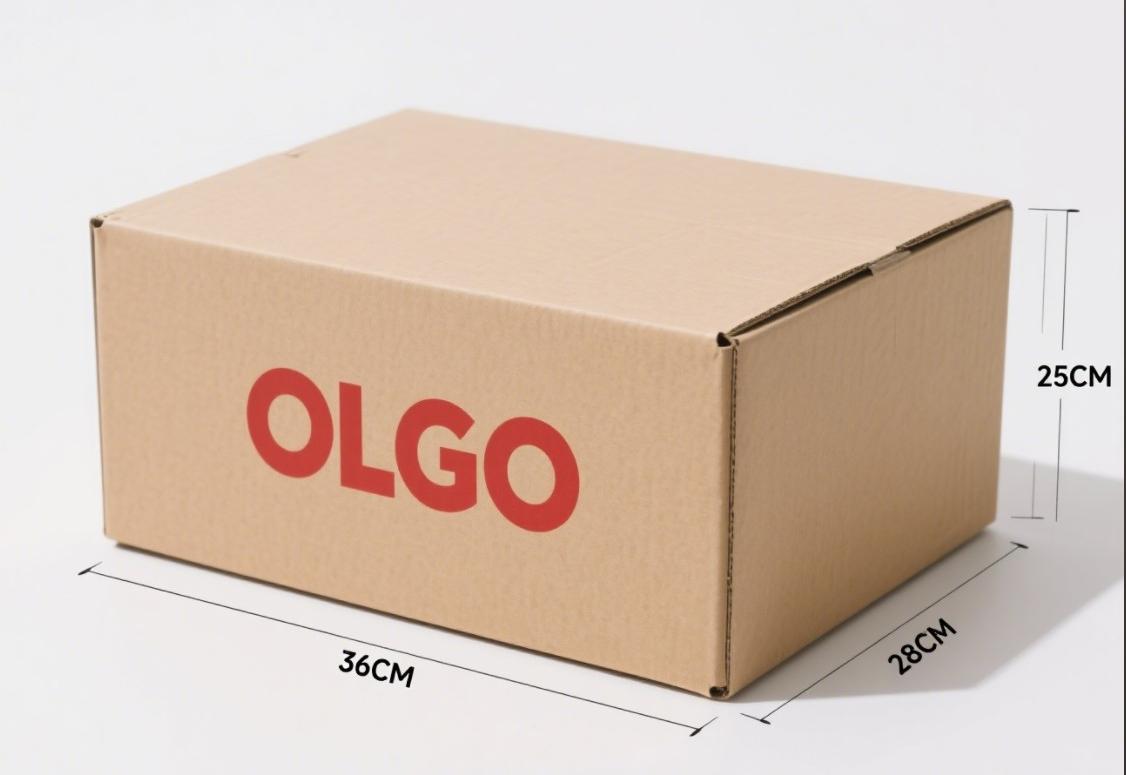
Tell us your color requirements, we can help you design the inner and outer packaging of the product.

Standard packaging (packaging bag + independent small inner box + reinforced large outer box) suitable for regular shipment orders.
The performance of a cabinet door gas spring in bedroom furniture is directly proportional to the precision of its installation and the engineering behind its accompanying hardware. A gas spring does not work in isolation; it operates in a symbiotic relationship with heavy-duty zinc alloy 3D hidden door hinges. When installing a heavy wooden wardrobe door, the hinges must bear the lateral and vertical weight, while the gas spring manages the kinetic energy during the opening and closing phases.
Kinetic Energy Dampening: High-end gas springs feature a two-stage dampening system. The initial stage provides a strong lifting force to overcome gravity, while the secondary stage (the terminal buffer) slows the door down just before it reaches its maximum opening angle. This prevents the door from slamming upward, which could damage the hinges or the cabinet frame. Similarly, during closure, the gas spring works against gravity to ensure a soft, silent close—a critical feature for bedroom environments where noise reduction is paramount.
Calculating the correct Newton (N) force for a gas spring is vital. A spring that is too strong will make the door difficult to close, while one that is too weak will fail to hold the door open. Our engineering team calculates the required force based on the door's height, weight, and the center of gravity. For built-in wardrobes, we recommend pairing our gas springs with our 80kg capacity 3D adjustable hinges to ensure perfect alignment. The 3D adjustability allows installers to fine-tune the door's position across the X, Y, and Z axes, ensuring uniform gaps and a flawless aesthetic finish.
Maintenance of these systems is remarkably minimal due to the sealed pneumatic cylinders and the self-lubricating properties of our zinc alloy hinges. However, regular inspection of the mounting brackets and ensuring that the pivot points remain free of dust will prolong the lifespan of the hardware well beyond the guaranteed 100,000 cycles.
We offer free samples of 3D adjustable heavy-duty concealed hinges and gas springs, supporting small-batch orders (MOQ 100 units) and full-range ODM/OEM customization (including logo and packaging design).
All products pass 100,000 open-close cycle tests and 48-hour salt spray certification, ensuring exceptional load-bearing capacity and corrosion resistance.
Our responsive professional team tailors solutions based on door materials and installation scenarios, enabling seamless concealed installation and cost efficiency.
Contact us now to request samples or tailored solutions—empower your brand with premium quality and agile service to enhance market competitiveness!
Explore our full range of hinges, gas springs, and door catchers designed for ultimate furniture performance.


