What is a Wardrobe Hanging Rod and How to Choose One?
A Wardrobe Hanging Rod is an essential element in any closet. It serves as the backbone for organizing clothes and maximizing space. Choosing the right hanging rod is vital for functionality. A suitable rod can enhance your wardrobe's efficiency and aesthetics.
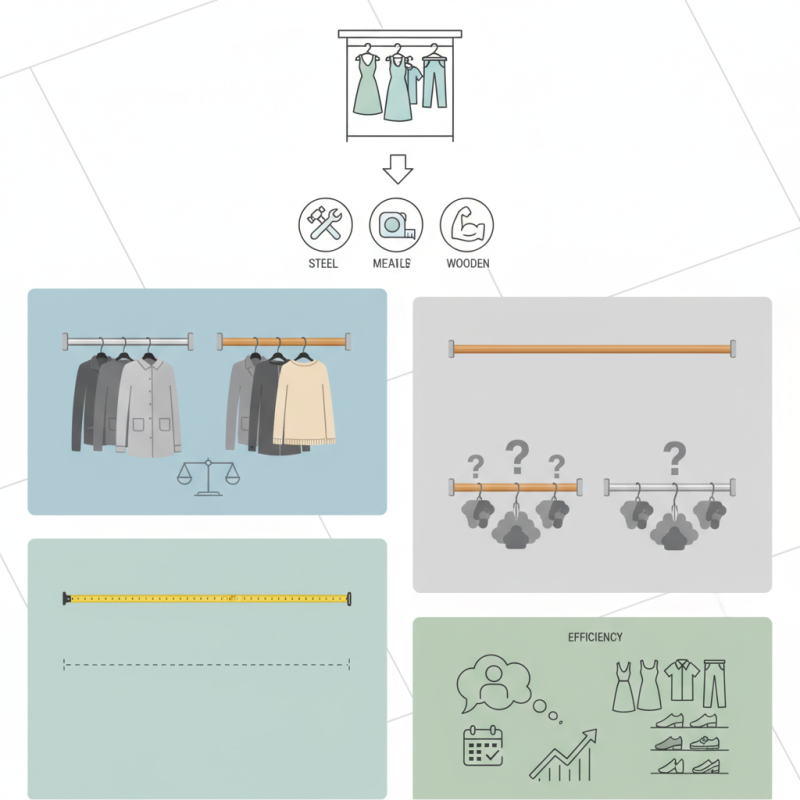
When selecting a wardrobe hanging rod, consider materials and finishes. Steel rods offer durability, while wooden options add warmth. Measure your wardrobe carefully to ensure a perfect fit. Installation can seem daunting, yet it is manageable with the right tools.
There can be challenges in selecting the right rod for your needs. Think about weight capacity and length. Sometimes, people overlook these details. They end up with a rod that bends under pressure. Reflecting on your daily wardrobe habits can guide your choice wisely.
What is a Wardrobe Hanging Rod?
A wardrobe hanging rod is a simple yet essential component of any closet. It allows you to hang clothes, keeping them wrinkle-free and organized. Usually, these rods are made from metal or sturdy wood. They can be fixed or adjustable, depending on your needs.
When selecting a wardrobe hanging rod, consider the weight of your clothes. Light garments can hang on a thinner rod, while heavier items like coats require a sturdier option. Measure your closet space before buying. Proper measurements ensure a perfect fit.
Tips: Think about the height of the rod. A high rod may be hard to reach, but a low one might waste space. Use a secure mounting method to avoid accidents. Check weight limits to prevent bending.
A wardrobe hanging rod may seem straightforward, but it needs careful thought. You might pick one that looks good but isn't functional. Consider your lifestyle, as well. If you frequently change out your clothes, an adjustable rod could be more practical. Don’t forget to allow some breathing room for ease of access.
Types of Wardrobe Hanging Rods Available
When it comes to wardrobe hanging rods, there are various types to consider. Each type serves a distinct purpose and can accommodate different clothing styles. For example, a single rod is common and ideal for hanging dresses and long coats. It’s simple but effective. Then, there’s the double rod option. This design maximizes vertical space and is great for organizing shirts and pants separately.
Adjustable rods are another versatile choice. They allow for modifications in height and width, making them suitable for various wardrobes. A tension rod is easy to install, often requiring no tools. However, it may lack stability under heavy clothing. Consider the weight capacity of your chosen rod. A sturdy rod can prevent sagging and maintain your wardrobe’s structure. If you have lots of heavier garments, durability matters.
Think about the material too. Metal rods tend to be stronger than plastic ones. Yet, plastic can offer a lighter alternative. Each choice comes with its pros and cons. It’s essential to reflect on what works best for your space and needs. Balancing aesthetics with functionality can be tricky, but it's worth the effort.
Types of Wardrobe Hanging Rods and Their Load Capacities
Key Factors to Consider When Choosing a Hanging Rod
When selecting a wardrobe hanging rod, several key factors come into play. One major consideration is the material. Metal rods are durable and sturdy, ideal for heavy garments. Wooden rods add warmth to the space, giving a classic look. However, they can warp if not maintained.
The length of the rod is another important aspect. Measure your wardrobe space carefully. Too short, and you’ll struggle to hang clothes properly. Too long, and it could become an obstacle. Mounting height matters too. A low rod may cause clothes to touch the floor; a high rod might be hard to reach.
Weight capacity should not be overlooked. Some rods can support more than others. Test the strength before installation. A weak rod can lead to broken clothes or worse, frustration. Lastly, the ease of installation affects your decision. Complicated setups can lead to mistakes. Simple design often wins here. Choose wisely and take your time.
What is a Wardrobe Hanging Rod and How to Choose One? - Key Factors to Consider When Choosing a Hanging Rod
| Factor |
Description |
Material Options |
Weight Capacity |
| Length |
The total length of the rod determines how much hanging space is available. |
Metal, Wood, Plastic |
50-200 lbs |
| Diameter |
The thickness of the rod influences stability and weight capacity. |
1 inch, 1.5 inches |
Depends on material |
| Mounting Style |
How the rod is installed affects its stability and ease of installation. |
Wall-mounted, Ceiling-mounted, Free-standing |
Varies by style |
| Finish |
The finish can affect the aesthetic and durability of the rod. |
Chrome, Brass, Painted |
Varies by finish |
| Use Case |
Consider what type of clothing or items will be hung. |
Regular Clothes, Heavy Coats, Accessories |
Depends on weight of items |
Installation Tips for Wardrobe Hanging Rods
When installing a wardrobe hanging rod, proper placement is key. Most experts recommend a height between 60 to 70 inches off the ground. This allows easy access to clothes. However, this height may not suit everyone. Consider your average clothing length. Some items, like dresses, need more space. Checking the total length of your items prevents unwanted creases.
For stability, secure the hanging rod to wall studs. This provides extra support for heavy garments. A study from a leading organization indicates that around 20% of wardrobe issues stem from inadequate support. If you can't find a stud, use wall anchors. Drill carefully to maintain the integrity of the wall. This step is often overlooked, leading to frustration later.
Think about double rods. They create space for more items. They can help organize shirts and trousers efficiently. Many users find that utilizing vertical space can increase storage capacity by nearly 30%. If you have a smaller closet, this might be your solution. However, installations can be tricky. Misalignment can result in a crooked appearance. Taking your time can save headaches later.