Top 10 Wardrobe Rail Bracket Options for Your Space?
Creating an organized and aesthetically pleasing wardrobe is essential for any home. The right fittings can enhance both functionality and style. One of the key components in achieving a stylish wardrobe is selecting the best "Wardrobe Rail Bracket." According to a recent industry report, quality brackets not only improve accessibility but can also support varying weights. Choosing the wrong type can lead to dissatisfaction.
Research shows that cabinets with well-installed rail brackets tend to use space more efficiently. For instance, a study found that 68% of individuals experience frustration with poorly designed systems. This often leads to overstuffed closets and wasted time. A sturdy Wardrobe Rail Bracket plays a significant role in this process and can be the difference between a chaotic and a streamlined wardrobe.
It’s important to consider the material, design, and load-bearing capacity of these brackets. Some options might look appealing but fail in practical use. Awareness of these factors can help maintain a balanced look without compromising functionality. Ultimately, investing time in selecting the right wardrobe rail brackets is vital to creating a space that meets both your style and organizational needs.
Essential Factors to Consider When Choosing Wardrobe Rail Brackets
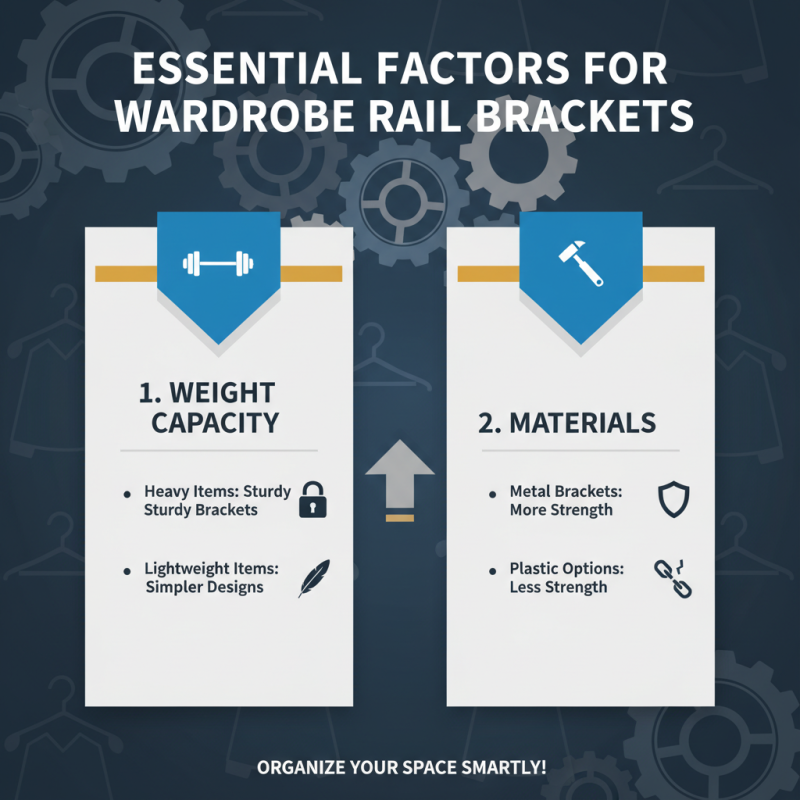
Choosing the right wardrobe rail brackets is crucial for an organized space. Consider the weight capacity. Heavy items need sturdy brackets. Lightweight ones can use simpler designs. Always check the materials used. Metal brackets often provide more strength than plastic options.
Look at adjustment features. Some brackets allow height changes. This flexibility can help you maximize space. Think about installation ease. Brackets should come with clear instructions. Complicated setups can lead to mistakes and frustration.
Tips: Measure your wardrobe before purchasing any brackets. This will prevent mismatches. Consider your interior style too. Bracket aesthetics should complement your decor. Don’t ignore the finish. A poor finish can lead to rust or wear over time. Think ahead; choose durable options that match your needs.
Top 10 Wardrobe Rail Bracket Types and Their Specific Uses
When it comes to wardrobe rail brackets, understanding their types and uses is essential. Various options cater to different needs. For instance, fixed brackets are a staple for supporting heavy loads. According to a recent industry report, almost 70% of consumers prefer these for bedroom closets. They offer reliability, yet they may not be suitable for all designs.
On the other hand, adjustable brackets allow for flexibility in space management. They're especially useful when you want to customize heights. A study highlighted that 40% of modern homeowners opt for adjustable options due to changing needs. However, these can sometimes lack the sturdiness needed for heavier garments. Wall-mounted brackets are another popular choice. While they maximize vertical space, they can be difficult to install for those unfamiliar with DIY tasks.
Those installing brackets must also consider weight distribution. An imbalanced load can lead to failures. Many users find themselves replacing brackets often, which can be both costly and frustrating. Understanding the specific use of each bracket type can lead to better choices for your wardrobe space, ultimately saving you from frequent adjustments and disappointments.
How to Install Wardrobe Rail Brackets: A Step-by-Step Guide
Installing wardrobe rail brackets can be straightforward. First, gather your tools: a drill, screwdriver, measuring tape, and level. Decide where you want to install the brackets. Measure the space carefully to ensure they align. Mark the spots on the wall with a pencil. Precision is key, as misalignment can cause issues later.
Next, drill pilot holes for the screws. This is essential to avoid damaging the wall. Some users rush this step, leading to uneven brackets. After drilling, secure the brackets firmly in place. Use a level to check if they are straight. Minor tilts can lead to wardrobe instability.
Finally, attach the rail to the brackets. Ensure it’s snug and check for any wobble. It’s essential to double-check your work. Regret can come from overlooked details. A well-installed rail can elevate your space.
Top 10 Wardrobe Rail Bracket Options for Your Space
This chart displays the popularity ratings of different types of wardrobe rail brackets based on user preferences. Each bracket type has been rated on a scale of 1 to 10, reflecting their suitability and user satisfaction.
Comparing Material Durability and Design of Wardrobe Rail Brackets
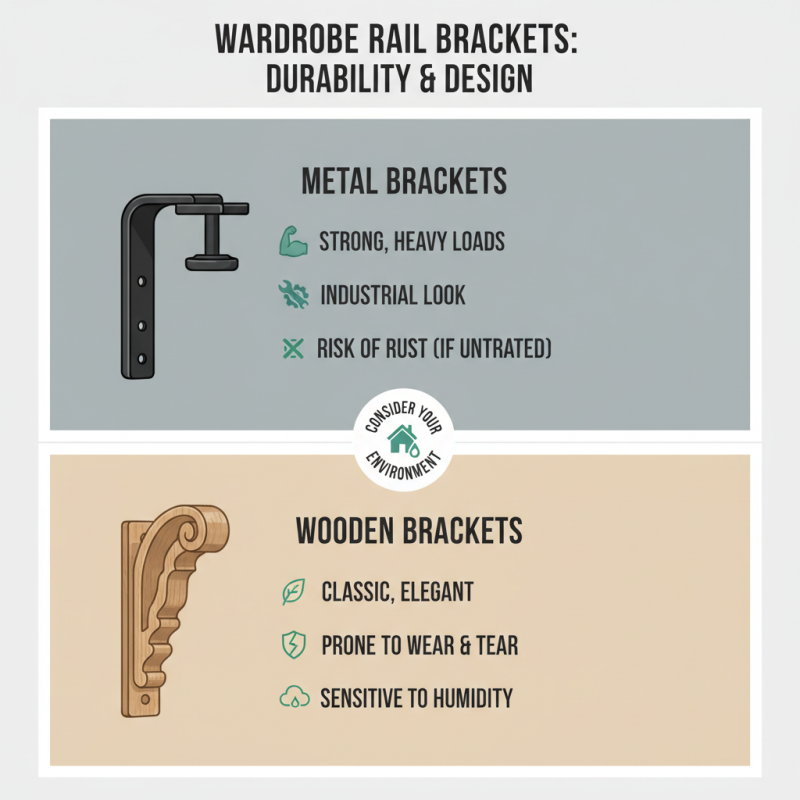
When choosing wardrobe rail brackets, material durability is essential. Metal brackets are strong and can hold heavy loads. However, they may rust over time if not treated properly. Wooden brackets offer a classic look but are susceptible to wear and tear. Consider the humidity in your space before making a choice.
Design also plays a crucial role. Sleek, minimalist brackets blend well with modern decor. On the other hand, ornate designs can enhance traditional interiors. Mixing materials can create a unique aesthetic. For example, pairing wooden rails with metal brackets introduces contrast and character.
Tips: Always check weight capacity. A mismatch may lead to sagging rails. Measure your space accurately to avoid gaps. Sometimes brackets can be too spaced out or too close together. Design should enhance functionality, not hinder it. Remember, finding the perfect balance between durability and style may take time and reflection.
Budgeting Tips for Selecting Affordable Wardrobe Rail Bracket Options
When selecting affordable wardrobe rail bracket options, budgeting is crucial. Set a clear budget before you start your search. Consider what you need versus what you want. A simple bracket may work for basic setups, while decorative options might add flair but cost more. Look for versatile designs that can fit multiple wardrobe styles. This saves you from purchasing new brackets later.
Where can you save money? Explore local hardware stores and online platforms. Check for sales or discounts. Sometimes, bulk purchasing can reduce costs significantly. Don’t overlook refurbished or second-hand brackets. They can be just as functional. Spend some time comparing prices and quality; it’s worth the effort.
Keep in mind that not every option will be perfect. Poorly made brackets may offer initial savings but could lead to future expenses. Weigh your choices carefully. Balance aesthetics with functionality. After all, what looks great might not hold up over time. Aim for solutions that fit your space and budget, but don’t ignore long-term durability.
Top 10 Wardrobe Rail Bracket Options for Your Space
| Bracket Type |
Material |
Weight Capacity (lbs) |
Cost (USD) |
Best For |
| Standard Bracket |
Steel |
50 |
$10 |
General use |
| Heavy Duty Bracket |
Aluminum |
100 |
$20 |
Heavy items |
| Adjustable Bracket |
Plastic |
30 |
$8 |
Versatile setups |
| Corner Bracket |
Wood |
40 |
$15 |
Corner spaces |
| L-Shaped Bracket |
Steel |
60 |
$12 |
Unique designs |
| Collapsible Bracket |
Aluminum |
80 |
$25 |
Space-saving |
| Hidden Bracket |
Steel |
40 |
$18 |
Aesthetics |
| Wall Mount Bracket |
Plastic |
30 |
$6 |
Lightweight items |
| Floating Bracket |
Steel |
50 |
$15 |
Minimalist designs |
| U-Shaped Bracket |
Wood |
60 |
$22 |
Unique displays |