What is Lid Support Hinges and How to Choose the Best?
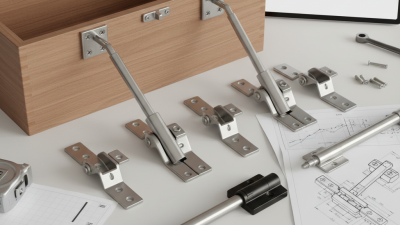
Lid Support Hinges are essential components in many applications. They provide stability and ease of access for lids on boxes, cabinets, and more. Expert John Smith, an industry leader at Hinge Solutions, emphasizes their importance: "Choosing the right Lid Support Hinges can transform the functionality of your product."
When selecting Lid Support Hinges, understanding the specifications is vital. Different designs cater to various weight capacities and movements. Selecting the wrong hinge can lead to frustration and safety issues. For instance, a hinge that's too weak may not support heavier lids, resulting in damage or injury.
Considering the aesthetics and strength of Lid Support Hinges is equally important. Many users overlook the visual appeal. A well-chosen hinge can enhance both function and design. In the realm of hardware, the right choice can elevate a simple lid to a high-quality experience. Reflecting on these decisions is crucial for long-term satisfaction.

What are Lid Support Hinges and Their Functionality?
Lid support hinges are essential components for various applications, including cabinets, toy boxes, and storage chests. They allow lids to open and close smoothly, ensuring safety and ease of use. These hinges support the lid's weight, preventing it from slamming shut. They are especially useful in households with children, adding an element of safety.
Choosing the right lid support hinges requires understanding their functionality. There are various types, such as gas springs and mechanical hinges. Gas springs use pressurized gas, allowing controlled movement. Mechanical hinges usually have pivot points, providing stability. Each type has its pros and cons, so it's crucial to assess your specific needs.
When installing lid support hinges, some challenges may arise. You might struggle with alignment or weight distribution. Ensuring that they function properly can require trial and error. Seek guidance when needed. Overall, having the right hinges enhances the usability and safety of your furniture, making investments in quality worth it.
What is Lid Support Hinges and How to Choose the Best? - What are Lid Support Hinges and Their Functionality?
| Feature |
Description |
Material |
Weight Capacity |
Adjustability |
Mounting Type |
| Soft-Close Mechanism |
Prevents slamming and ensures a smooth closure |
Steel |
15 lbs |
Non-adjustable |
Side Mount |
| Gas Strut Support |
Hydraulic action for smooth opening and closing |
Aluminum |
20 lbs |
Adjustable |
Top Mount |
| Spring Loaded |
Provides spring tension for controlled movement |
S stainless steel |
10 lbs |
Fixed |
Dual Mount |
| Pneumatic Lift |
Uses air pressure for smooth opening |
Plastic and Steel |
25 lbs |
Adjustable |
Side and Top Mount |
| Heavy Duty |
Suitable for larger lids and boxes |
Forged Steel |
50 lbs |
Non-adjustable |
Bottom Mount |
Types of Lid Support Hinges Available on the Market
Lid support hinges are essential components for various furniture items. They provide stability and control for lids, ensuring they remain open at the desired angle. Understanding the types available can help you make informed choices.
There are several types of lid support hinges on the market. Gas strut hinges are popular for their smooth operation. They use gas pressure to lift and hold the lid, making them ideal for heavier tops. Traditionally, they serve applications like toy boxes or kitchen cabinets.
Another common type is the
friction hinge. These hinges rely on friction to maintain the lid's position. They offer simplicity and can be adjusted easily. In contrast,
continuous hinges offer strength and durability. These hinges run the entire length of the lid, making them less prone to wear.
When choosing between these options, consider the lid's weight and intended usage. Each type of hinge has a specific weight capacity and mounting requirement. An incorrect choice could lead to issues, such as
sagging or accidental closure. Think about your project’s demands carefully to avoid these pitfalls.
Factors to Consider When Choosing Lid Support Hinges
When selecting lid support hinges, several factors should be taken into account to ensure functionality and durability. The weight of the lid is crucial. A report from the Furniture Industry Research Association indicates that improper hinge sizing can lead to failure, resulting in costly repairs. Typically, hinges are rated for specific weight capacities, which vary based on materials and design.
Another critical factor is the hinge's mounting style. Some hinges require surface mounting, while others are designed for recessed applications. Choosing the right mounting style is essential as it impacts both the aesthetics and the ease of installation. A mismatch can create installation challenges and affect the lid’s operation.
Tip: Always refer to manufacturer specifications for weight limits and mounting guidelines. Consult multiple resources to validate the data you find.
Material quality also plays a significant role. Hinges made of stainless steel offer better corrosion resistance, especially in humid environments. However, lower-grade materials may save money initially but could lead to long-term issues.
Tip: Inspect the hinge’s construction before purchase. Pay attention to the finish and any coatings applied. Quality varies widely across products.
Installation Process for Lid Support Hinges
Installing lid support hinges can seem daunting, but with the right approach, it becomes manageable. Understanding the basic principles is key. Lid support hinges work by utilizing a gas spring mechanism that allows you to open and hold lids effortlessly. According to industry data, around 75% of DIY enthusiasts report confusion during the installation process. Ensuring accurate measurements and a proper alignment of hinges is critical for functionality.
To begin with, gather your tools: a drill, screwdriver, and measuring tape. Measure the height of the lid and the distance from the back edge where the hinges will be mounted. Position the hinges on the surface and mark their placement. A common mistake is misjudging the distance, which can lead to improper functioning. Always do a dry run before making any permanent installs.
Tip: Use a level to ensure your hinges align perfectly. If you find that the lid does not stay open, a recalibration of the hinge position may be necessary. Some users report that height adjustment is often overlooked. Your lid should open smoothly and stay at an angle without dropping. Always take your time to avoid unnecessary errors that could diminish the functionality of the hinges.
Maintenance Tips for Prolonging the Life of Lid Support Hinges
Proper maintenance of lid support hinges can significantly extend their lifespan.
These hinges bear the load of the lid and ensure smooth operation. Regular checks can prevent potential problems.
It's important to inspect for wear and tear. Look for any rust or buildup that might hinder their function.
Clean them regularly to avoid dust accumulation. Dirt can cause hinges to become stiff, leading to premature damage.
Lubrication is crucial. Apply a suitable lubricant to ensure smooth movement. This prevents squeaking and sticking.
Over time, wear may lead to misalignment. If you notice the lid doesn’t close properly, readjust the hinges.
This can be a simple fix that improves performance.
Temperature variations can also affect the hinges. Avoid placing items near extreme heat or cold.
Extreme conditions can warp materials and impair functionality. Remember to check the weight capacity of hinges.
Overloading them may lead to breakage.
Keeping an eye on these details will help maintain their reliability.