A closet can look spacious until a winter coat bends a thin rod and hangers slide toward the center. Choosing the best Closet Hanging Rod in 2026 means checking more than its finish. Span, material, wall support, and stated load capacity all affect daily use. Small details matter.
Organizing expert Julie Morgenstern’s reminder, “Organizing is a skill, not a talent,” is useful here: a reliable closet starts with deliberate choices. Measure the clear opening, note where studs or other suitable supports sit, and consider what the rod must carry. Shirts place different demands on hardware than heavy coats. A polished metal tube may look sturdy, but appearance alone does not confirm its capacity.
This guide will compare common rod materials, shapes, finishes, mounting styles, and adjustable designs. It will also explain how to match brackets and fasteners to the closet’s construction. Check the manufacturer’s load rating and installation instructions; unsupported spans can sag. A little caution helps. Not every home needs the strongest or most expensive option, and product ratings are not always easy to compare. The right choice should fit the measured space, the actual wardrobe, and the support behind the wall—not just the product photo.
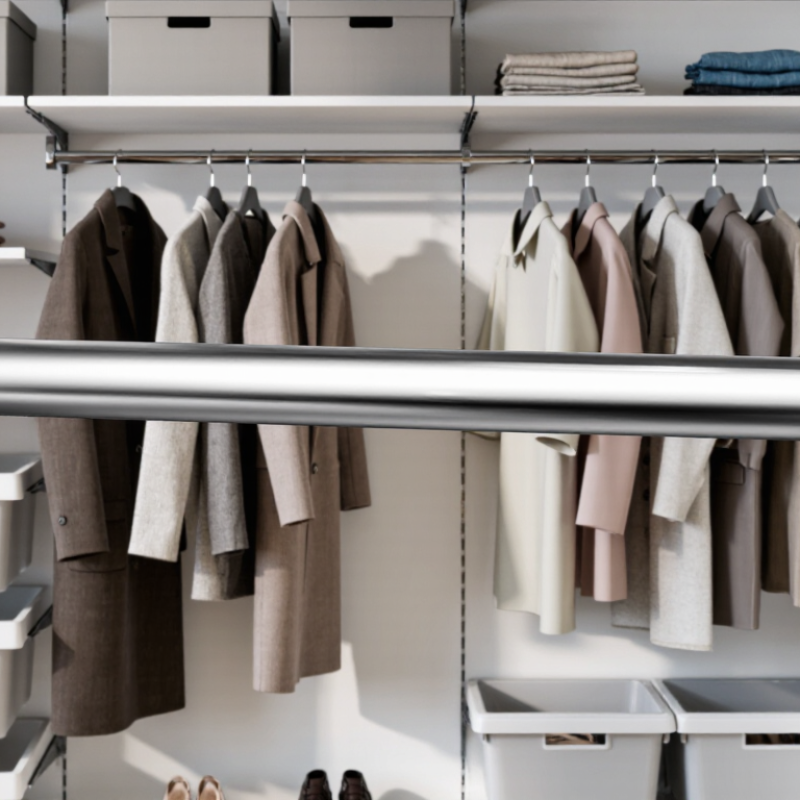
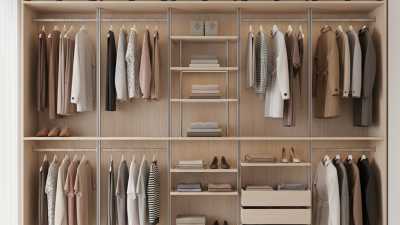
Measure the closet’s usable width where the rod will sit, not just the width of the doorway. Check the depth, too, so hangers and sleeves do not press against the doors. Note shelves, trim, drawers, and sloped ceilings that could limit the rod’s placement. A few inches can change how comfortably clothes hang.
Tips: Measure twice. Use a tape measure and write down the smallest reading. Then estimate how much hanging space you need: shirts and jackets take less room than long coats or dresses. Leave a little breathing space between garments; a tightly packed rod makes clothes harder to see and may strain its supports.
Think about what you actually store, not what you hope to store someday. Count your current hangers, separate short items from long ones, and consider whether bulky clothing needs extra clearance. A quick sketch can help you compare a single rod with a split layout. I have seen people overlook shelf depth during planning; it is an easy mistake, and sometimes the first measurements need revisiting. Choose dimensions that fit your closet and daily routine, rather than forcing every item into one crowded span.

A closet rod should suit the clothes it carries, not just the space it fills. Steel is a common choice for heavier loads, such as coats and denim. Aluminum is lighter and often easier to handle, but its capacity depends on its shape, thickness, and supports. Wood offers a warmer look, though long spans may sag under weight. Check the maker’s stated load rating and the conditions behind it.
Finish affects both appearance and upkeep. Chrome or other plated surfaces can wipe clean easily, while painted finishes offer more color options. Powder-coated finishes may help resist everyday scratches, but no coating is damage-proof. In a humid closet, inspect the finish for chips or exposed metal. Small flaws matter over time.
Measure the clear span between supports, then consider how many hangers will sit there. A rod rated for a certain load may not hold that weight safely if brackets are loose or anchors do not suit the wall. Install supports where the instructions specify. Leave a little room for uneven loading; people rarely distribute clothes perfectly. Ratings are useful, but the real closet is messier.
| Rod Material | Common Finishes | Corrosion Resistance | Stiffness and Sag Considerations | Weight-Capacity Guidance | Best Suited For |
|---|---|---|---|---|---|
| Steel | Chrome plating, powder coating, or zinc plating | Depends on the protective finish. Damaged plating or coating can expose the steel to rust. | Generally stiff for its size. Diameter, wall thickness, and support spacing affect sag. | Check the rated load for the exact rod and bracket system. Do not infer capacity from the word “steel” alone. | Everyday closets and heavier clothing when the rod and supports are appropriately rated. |
| Stainless steel | Brushed, polished, or satin | Typically more corrosion-resistant than ordinary carbon steel, though resistance varies by stainless grade and environment. | Stiffness depends on alloy and rod geometry; compare dimensions rather than appearance alone. | Use the manufacturer’s tested rating for the complete installed system; no universal capacity applies to all stainless rods. | Closets where moisture or corrosion resistance is a priority. |
| Aluminum | Anodized, painted, or clear-coated | Forms a protective oxide layer; coatings and alloy affect appearance and durability. | Lightweight, but generally less stiff than steel of comparable shape and dimensions; long spans may need additional support. | Follow the rated load and maximum support spacing. Do not assume a lightweight rod has the same capacity as a similarly sized steel rod. | Lightweight installations and closets where easy handling or corrosion resistance matters. |
| Wood | Clear varnish, lacquer, stain, or paint | Not inherently moisture-proof; protective coatings help, but moisture can still affect the wood. | Performance varies with wood species, grain, diameter, and span. Inspect for knots, cracks, and signs of bending. | Use a product rating where available. Capacity varies substantially with wood type, rod dimensions, and support placement. | Traditional interiors and projects where a natural appearance is preferred. |
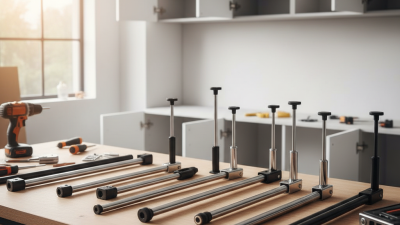
A closet rod’s shape affects how it feels in daily use. Round rods suit standard hangers and are easy to find in common diameters, such as 1¼ inches. Oval rods can help keep hangers facing forward, but check their orientation and compatible sockets before buying. Span matters as much as shape: a long rod loaded with coats can bow. Add a center support where the rod system requires one. A tidy-looking installation can still sag if its supports are too far apart.
Mounting style should match the wall, the rod length, and the load. Side-wall sockets work well for shorter spans; long runs usually need a center bracket fixed into a stud or suitable masonry anchor. Check the rod maker’s load rating, not just its appearance. The National Association of Home Builders’ 2024 What Home Buyers Really Want report found that 84% of buyers considered a primary-bedroom walk-in closet essential or desirable; 79% said the same of a laundry room. Those figures describe buyer preferences, not safe rod capacity. A useful distinction. I still find it easy to overlook the wall itself: plaster, drywall, and masonry need different fixings. Measure twice, and leave a little room for bulky hangers.
Compare common rod diameters, then choose a shape and mounting style suited to your closet layout and expected load.
The chart converts common nominal diameters from inches to millimeters (1 inch = 25.4 mm). Round rods fit standard round sockets; oval rods can help resist rotation when correctly supported. Use side-wall sockets for a rod spanning between walls, or brackets for a rod mounted beneath a shelf. Actual load capacity depends on the rod material, span, supports, and installation; follow the product specifications and add center support where needed.
Before buying a closet hanging rod, check the wall and the full hardware system. NAHB’s 2024 What Home Buyers Really Want report found that 83% of buyers considered a primary-bedroom walk-in closet essential or desirable. That measures buyer preference, not rod performance, but it shows why a dependable installation matters. Measure the span between supports, then locate studs or identify the wall material. Follow the rod and fastener instructions for that surface; a rod’s stated capacity does not automatically apply to every anchor or bracket. Measure twice.
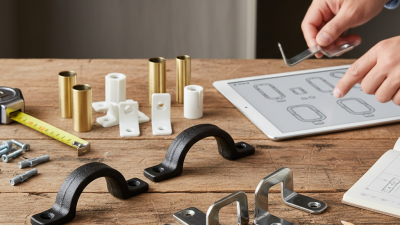
Check accessory fit before drilling. Rod diameter, bracket shape, end cups, center supports, and shelf clips must work together. If reusing existing parts, measure the rod and compare screw-hole spacing; a small mismatch can leave a bracket loose or a shelf tilted. For long spans or heavy clothing, confirm whether the system calls for a center support. Winter coats add concentrated weight. Keep enough clearance for hangers and doors, too. Fit matters. A compatibility chart helps, but it may not cover older hardware, so verify dimensions rather than relying on appearance alone.
When choosing a closet hanging rod in 2026, compare load rating, support spacing, finish, and installed cost—not just the price tag. A steel rod may suit heavy coats, while aluminum can reduce weight for everyday clothing. Check the manufacturer’s load guidance and use brackets anchored to solid framing where possible. A long, unsupported span can sag.
Small detail, big headache.
$24,000
The 2024 Houzz & Home Study reported a median U.S. renovation spend for projects completed in 2023.
That figure covers home renovations broadly, not closet rods, but it shows why small hardware choices deserve a budget check. Price the rod, brackets, fasteners, and any installation together. In 2026, adjustable-length rods, modular bracket systems, and integrated lighting are options in some product lines; verify compatibility before buying.
I would not pay extra for a feature that cannot be serviced or replaced easily. A brushed finish can hide fingerprints, though it will not prevent bending. Measure the clear span twice, then compare the stated capacity with the clothes you actually hang.