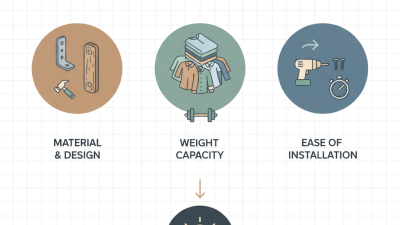
How to Choose and Install Pneumatic Cabinet Door Lift and Wardrobe Tube Support?
Choosing and installing a Pneumatic Cabinet Door Lift and Wardrobe Tube Support requires careful planning and insight. Renowned expert in home design, Emily Tran, once stated, “The right lift mechanism can transform a space.” Her words underscore the importance of selection, as these components not only enhance functionality but also contribute to a stylish aesthetic.
The market offers various options, and understanding their mechanics is essential. Effective installations ensure smooth operation and longevity. A poorly chosen lift or support can lead to frustration and potential hardware failure. Thus, knowledge and proper assessment are crucial steps in this process.
Despite the wealth of options, challenges arise. Many users overlook compatibility factors, leading to mismatched components. It can be tempting to rush this decision. However, investing time in research pays off. High-quality Pneumatic Cabinet Door Lift and Wardrobe Tube Supports can significantly enhance daily convenience, making your living space more user-friendly. Don’t underestimate the difference it can make.
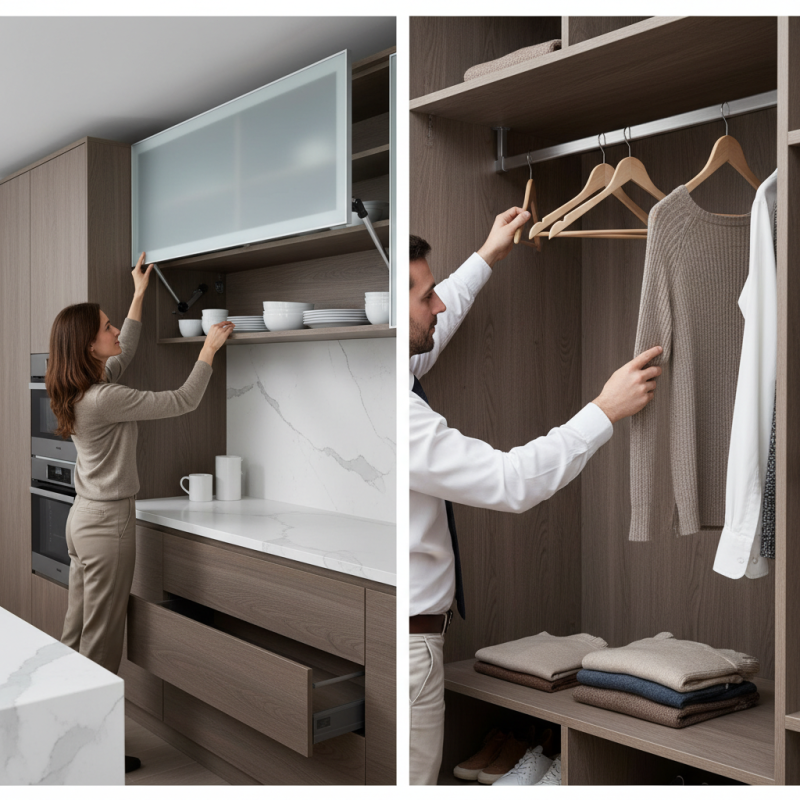
Understanding Pneumatic Cabinet Door Lifts: Mechanisms and Benefits
Pneumatic cabinet door lifts utilize air pressure to smoothly open and close cabinet doors. These devices often consist of a gas spring mechanism that allows for easy operation. Understanding how they work is essential in selecting the right type for your wardrobe or cabinet. Their benefits include soft-close features, ensuring doors do not slam shut. Additionally, they can save space by allowing doors to lift upward instead of swinging out.
Tips: When choosing a pneumatic lift, consider the weight and size of your cabinet doors. Assess the force requirements by measuring the door's dimensions. Incorrect sizing can lead to inadequate support or overly stiff operation.
Installation requires accurate placement of the cylinder and mounting brackets. Misalignment can cause malfunction or reduced performance. Take your time during this step. Pre-drill holes and use appropriate fasteners for a secure fit. Regularly check these components to ensure ongoing functionality.
Tips: If you notice any resistance or noise during operation, inspect the gas springs. A worn or damaged spring may need replacement. Keeping these parts in good condition extends the lifespan of your system.
Installation Techniques for Optimal Performance of Pneumatic Lifts
When it comes to installing pneumatic cabinet door lifts and wardrobe tube supports, mastering the installation techniques is crucial. Begin by selecting the right lift for your needs. Consider factors like the door weight and height. Measure precisely. This step is vital as miscalculations can lead to poor performance. It’s often overlooked, yet incorrect measurements can result in awkward door movements.
During installation, ensure your tools are adequate. Use a level to align the pneumatic lifts properly. An uneven installation can lead to malfunction. Secure all components tightly. A loose fit can cause jerky movements. Take a moment to test the lift after installation. Check for smooth operation. If you notice any resistance, consider adjusting or repositioning the lift.
Remember, even experienced installers can make mistakes. Always document your process for future reference. Reflecting on your installation steps can help you improve. Consistent practice leads to optimized performance. Don’t hesitate to seek expert advice if you’re unsure. This can prevent potential issues down the line.
Maintenance Tips to Ensure Longevity of Cabinet Door Lifts
Maintaining pneumatic cabinet door lifts and wardrobe tube supports is essential for their longevity. Regular inspections can help identify minor issues before they escalate. According to the American Association of Cabinet Manufacturers (AACM), proper maintenance can extend the life of these systems by 30% or more. Checking for wear and tear on components like pneumatic cylinders is crucial.
Humidity and temperature fluctuations can impact performance. Keeping the environment stable is key. A well-ventilated space helps avoid moisture buildup, which can damage mechanical parts. Cleaning the shafts and joints regularly is advisable. Lubrication may seem minor, yet it plays a significant role. Use light oil to ensure smooth operation.
Moreover, one should be aware of the signs of wear. If doors become slow or uneven, it's time for a check-up. Ignoring such signs may lead to complete failure. As reported by Engineering News-Record, businesses lose thousands annually due to improper maintenance. A commitment to regular care can save time and money in the long run.
How to Choose and Install Pneumatic Cabinet Door Lift and Wardrobe Tube Support? - Maintenance Tips to Ensure Longevity of Cabinet Door Lifts
| Feature |
Description |
Importance |
Maintenance Tip |
| Load Capacity |
The maximum weight the lift can support. |
Critical for safety and functionality. |
Regularly check for signs of wear to avoid overloading. |
| Material |
Typically made from metal or high-quality plastic. |
Durability and longevity of the lift. |
Clean with a damp cloth to prevent rust or corrosion. |
| Installation Type |
Can be surface-mounted or recessed. |
Affects aesthetics and functionality. |
Follow manufacturer instructions carefully for optimal setup. |
| Adjustability |
Some lifts allow for height and angle adjustments. |
Enhances user experience and convenience. |
Test adjustments periodically to ensure they remain secure. |
| Safety Features |
Includes features like slow close and cushioned stops. |
Prevents accidents and damage. |
Inspect safety features regularly for optimal performance. |
Safety Considerations When Installing Pneumatic Support Systems
When installing pneumatic support systems, safety must be prioritized. According to the National Safety Council, improper installation can lead to accidents, affecting both users and the structural integrity. It's crucial to follow manufacturer guidelines for weight limits and mounting techniques to ensure a secure fit.
These systems can support heavy doors and cabinets, but users must be aware of their capacity. Overloading can cause failure, which may result in injuries.
Additionally, workers should wear personal protective equipment. Safety glasses and gloves can prevent minor injuries during installation. A significant percentage of accidents occur in DIY projects due to a lack of precautions. Data shows that around 30% of home improvement injuries arise from insufficient safety measures. It’s advisable to practice safe handling, even when working with seemingly simple tools.
Lastly, test the installed system for functionality. Ensure the lift mechanisms operate smoothly without resistance. Minor adjustments might be necessary, which often get overlooked. Reflecting on these details can improve safety and functionality. Regular inspections post-installation are also vital for long-lasting performance. Implementing these practices ensures a safer environment while enhancing the overall experience with pneumatic systems.