China Best Shelf Support Pin for Global Buyers 2026?
In the evolving landscape of retail and storage solutions, the demand for high-quality shelf support pins is on the rise. Industry expert Dr. Wang Li, an authority on modular storage solutions, stated, “The right shelf support pin can transform how products are displayed and accessed.” This speaks volumes about the significance of these small yet crucial components in ensuring stability and functionality.
As we look toward 2026, global buyers are seeking the best shelf support pins that offer not only durability but also innovation. The market is flooded with options, yet identifying reliable manufacturers remains a challenge. Many overlook the importance of material quality and design intricacies. These factors can make or break a retail display.
Moreover, while advancements are being made, the industry must reflect on sustainability and cost-effectiveness. Finding a balance between quality and affordability is crucial for buyers. Engaging with expert insights can guide informed decisions. Therefore, understanding the intricacies of shelf support pins is essential for making solid investments in the future.
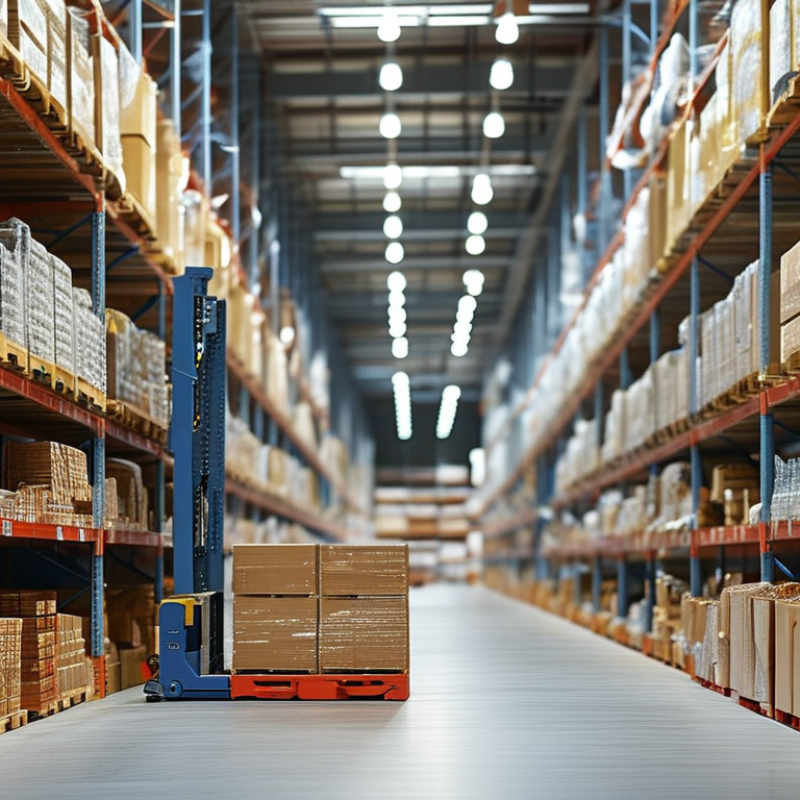
China's Growing Market for Shelf Support Pins: An Overview for 2026
China's market for shelf support pins is expanding rapidly. By 2026, it is projected to reach a valuation of over $300 million, driven by a growing demand in the retail and manufacturing sectors. This growth reflects increased production activities and consumer preferences for modular shelving solutions. The industry’s focus on quality and innovation is becoming more prevalent, leading to the development of more advanced products.
The importance of sourcing high-quality shelf support pins cannot be overstated. According to recent market analysis, reliable pins ensure stability and durability for various shelving applications. A significant percentage of buyers prefer pins that offer enhanced load-bearing capacities. This need for sturdiness is essential, as improper support can lead to safety issues and product failures.
Tips: When choosing shelf support pins, analyze the material and load capacity. Consider the type that suits your shelving solution best. Regular assessments of shelf systems can prevent potential accidents, ensuring both safety and functionality. Integrating feedback from users can also improve design and performance.
Key Materials and Manufacturing Processes for Shelf Support Pins in China
In recent years, shelf support pins have gained traction in the global market. The manufacturing process in China heavily relies on high-quality materials. Commonly used materials include steel and plastic. According to a report by Global Industry Analysts, the demand for shelf support pins is expected to increase annually by 5% until 2026.
The production of these pins involves precision engineering techniques. For example, stamping and injection molding are popular processes. They ensure that the pins meet strict quality standards. However, not all manufacturers maintain the same level of excellence. A significant number may compromise on quality to reduce costs, leading to durability issues.
Looking ahead, sustainability is another vital factor. More manufacturers are seeking eco-friendly materials like recycled plastics. This shift could improve environmental impact but poses a challenge for traditional manufacturing practices. The transition may require time, yet it reflects an evolving market mindset.
Market Trends: Demand and Supply Dynamics of Shelf Support Pins in 2026
The demand for shelf support pins is observing dynamic shifts. In 2026, various industries, from retail to manufacturing, will increasingly rely on these essential components. Companies are looking for durable and versatile pins that can withstand different weight loads. This growing demand highlights the importance of high-quality materials and innovative designs.
Supply dynamics are equally vital. Manufacturers need to adapt their production strategies to meet the rising needs. The shift towards sustainable materials is a significant trend. Suppliers are exploring eco-friendly options as consumers become more environmentally conscious. Yet, this presents challenges in sourcing materials.
Regulatory compliance is another critical factor. As the market evolves, companies must ensure their products meet safety standards. Many manufacturers struggle to keep pace with these regulations. The focus on quality assurance cannot be overlooked. A lapse in this area can lead to serious repercussions. Companies are encouraged to continuously review manufacturing processes for improvement.
China Best Shelf Support Pin Demand and Supply Dynamics in 2026
Comparative Analysis: China vs Global Competitors in Shelf Support Pin Industry
The shelf support pin industry has seen dynamic shifts worldwide. A recent report by Market Research Future projected a compound annual growth rate (CAGR) of 5.2% from 2022 to 2027. In China, the robust production capacities have made it a key player. However, this growth may come with challenges, including fluctuating raw material prices and varying quality standards.
When analyzing global competitors, specific differences emerge. For instance, the European market emphasizes eco-friendly manufacturing practices. The adoption of sustainable materials is rising, with a 30% market share in 2023. In contrast, Chinese manufacturers still predominantly rely on traditional materials. This discrepancy raises questions about the industry's long-term sustainability. Consumers today demand both quality and eco-friendliness.
Additionally, while Chinese shelf support pins are often more affordable, quality assurance varies. The reliance on outdated quality control processes in some factories can lead to inconsistent product output. Comparatively, companies in North America are starting to implement stricter quality checks. These initiatives may set a new standard and can lead to increased customer trust. As the global market evolves, these points warrant further reflection.
Sustainability Practices in Shelf Support Pin Production: Future Prospects for 2026
In recent years, sustainability has become a crucial focus in the production of shelf support pins. A significant percentage of manufacturers now prioritize eco-friendly materials and processes. Reports indicate that over 40% of companies in this sector aim to reduce their carbon footprint by 2026. They are exploring recycled materials and innovative manufacturing techniques that minimize waste.
The shift towards sustainability is not just a trend; it reflects changing consumer demands. According to industry analysis, buyers increasingly seek environmentally responsible products. This has led to a projected growth of around 15% annually in the market for eco-friendly shelf support pins. However, integrating sustainability practices is not without challenges. Manufacturers often face higher upfront costs and the need for specialized skills. It raises questions about balancing profitability and accountability.
Tips: Consider investing in training programs for your workforce to facilitate sustainable practices. This will enhance both skills and commitment to environmental responsibility. Additionally, staying updated on regulations ensures compliance and innovation in sustainable sourcing. Remember, every small step counts towards a greener future.