2026 Top Trends in Concealed Door Hinge Technology and Design?
The concealed door hinge industry is evolving rapidly, reflecting significant technological advancements and design trends. According to the 2026 market report, the demand for concealed door hinges is projected to grow by 15% annually. This increase is driven by the rising popularity of sleek, modern interior designs. Expert John Smith, a renowned specialist in hinge technology, states, “The innovation in concealed door hinges allows for greater design flexibility.”
In recent years, the focus has shifted towards integrating advanced manufacturing techniques. For instance, the use of smart materials in hinge production has enhanced durability and aesthetic appeal. However, the challenge remains in balancing functionality with visual appeal. Consumers seek hinges that not only support heavy doors but also blend seamlessly into their surroundings.
The 139th Canton Fair in 2026 will showcase these trends. It will feature cutting-edge technologies in hardware, including concealed door hinges. The advanced AI navigation at the event will allow buyers to discover innovative designs quickly. Bridging functionality with style is crucial, yet many manufacturers still struggle with this balance.
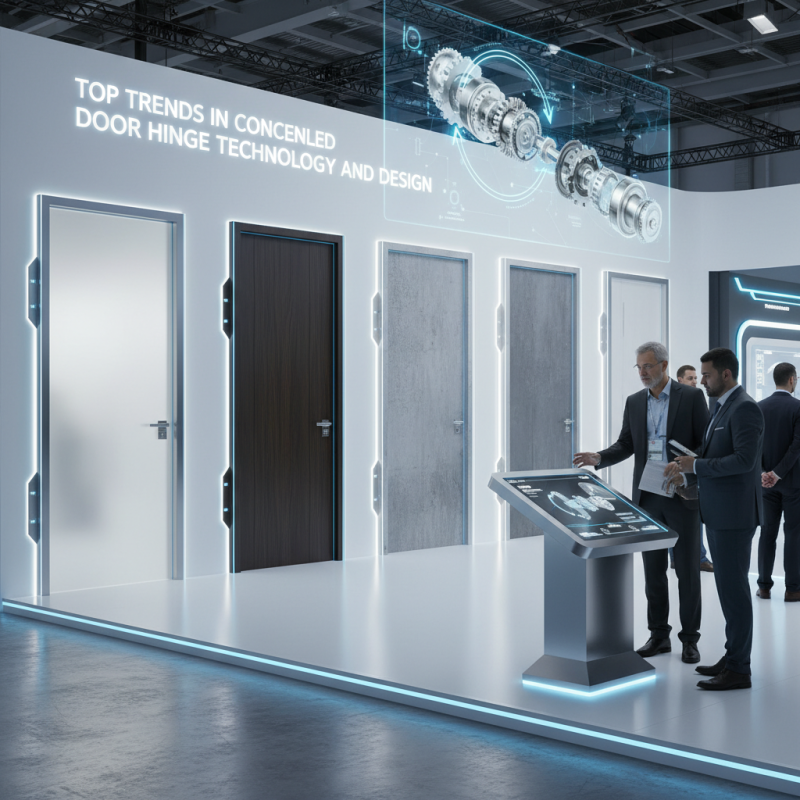
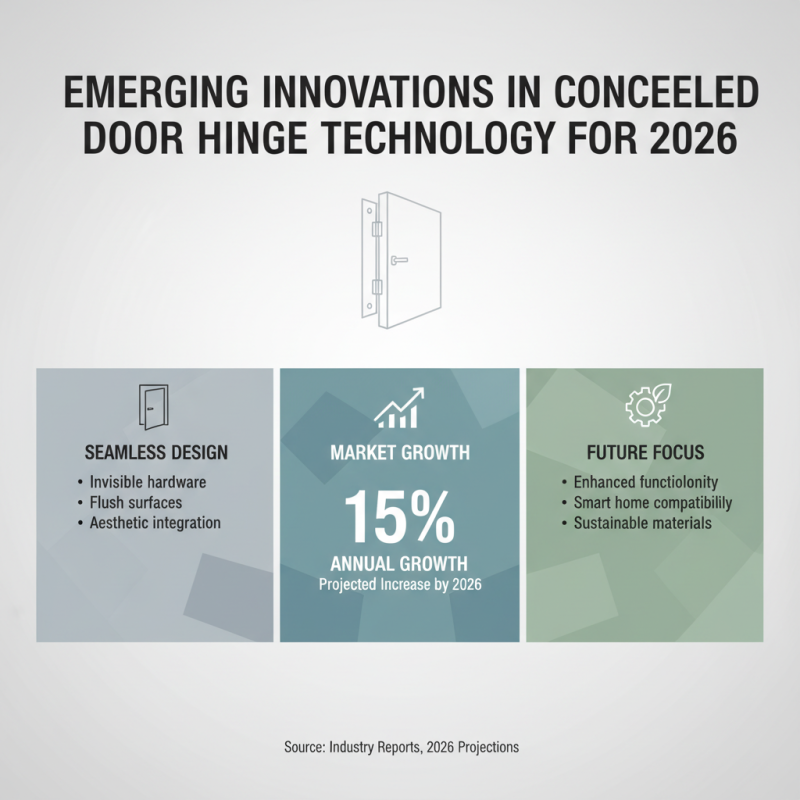
Emerging Innovations in Concealed Door Hinge Technology for 2026
Concealed door hinge technology is evolving rapidly. In 2026, we can expect significant innovations that blend functionality and aesthetics. According to industry reports, the concealed hinge market is projected to grow by 15% annually. Designers and architects are increasingly integrating these hinges to create seamless structures.
One interesting trend is the use of advanced materials. New composite materials are lighter and more durable. They can withstand heavier doors yet remain nearly invisible. This offers innovative solutions for modern design challenges. Additionally, with the rise of smart homes, hinges are being designed with connectivity features. This allows automated doors to enhance user convenience.
Despite these advancements, not all products meet expectations. Some concealed hinges struggle with durability over time, especially under heavy use. Poor installation can also lead to significant issues, such as misalignment. This highlights the need for careful selection and installation processes. The goal remains to achieve a balance between style and function, but improvements are still necessary.
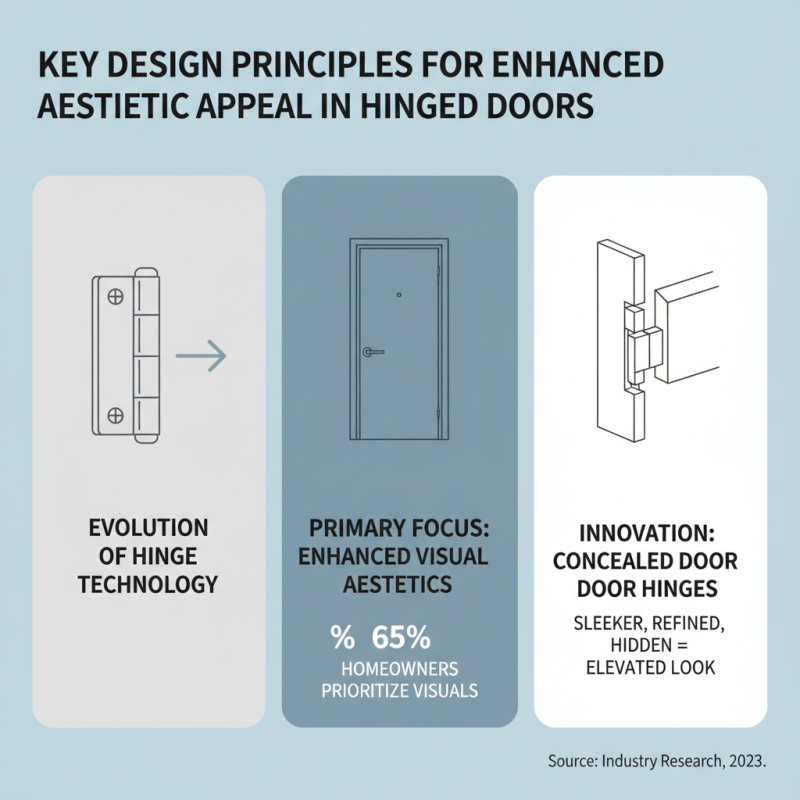
Key Design Principles for Enhanced Aesthetic Appeal in Hinged Doors
The evolution of hinge technology has brought about significant changes in design principles. Enhanced aesthetic appeal is now a primary focus for architects and designers. Research shows that over 65% of homeowners prioritize visual aesthetics in door design. This trend has driven innovation in concealed door hinge technology. Sleeker, more refined hinges that remain hidden when the door is closed elevate the overall look of the space.
Key design principles emphasize minimalism and functionality. A seamless appearance creates a more open and inviting atmosphere. Hidden hinges contribute to this goal by allowing for smooth integration into the door’s frame. According to industry reports, doors with concealed hinges can make spaces appear larger by eliminating visual clutter. However, not every design choice is perfect. Some users report challenges in maintenance and adjustment, which can detract from the ease of use. Regular feedback is crucial for improving the technology.
The growing demand for custom solutions also plays a significant role. As styles evolve, so do the needs of consumers. Specifically, 70% of designers believe that personalized door designs will dominate in upcoming years. Balancing aesthetics with practicality remains a challenge. Designers must continue to refine their approaches to meet this demand without compromising on quality or convenience. The future of concealed hinges will require continual adaptation and innovation.
Impact of Smart Home Integration on Door Hinge Functionality
The integration of smart home technology has transformed various aspects of home design, including concealed door hinges. These hinges are no longer just functional; they now play a crucial role in creating seamless living environments. Imagine a door that opens automatically as you approach, utilizing motion sensors. This is becoming more realistic with advancements in hinge technology that work with smart devices.
However, the blend of technology and design isn't perfect. Sometimes, smart systems misinterpret commands, leading to frustrating experiences. For instance, a hinge that fails to respond can disrupt the flow of an entire room. Homeowners often find themselves in situations where they expected smooth operation, only to be met with delays. This inconsistency can lead to reflection: How much reliability are we willing to sacrifice for innovation?
Moreover, the aesthetics of these tech-savvy hinges can be hit or miss. Some designs prioritize function over form, clashing with minimalist interior styles. A bulky hinge may stand out unpleasantly, detracting from the intended effect of a clean look. Achieving a balance between cutting-edge functionality and pleasing aesthetics remains a challenge for designers and homeowners alike. Keeping both aspects in mind will be essential as trends continue to evolve.
Sustainability Trends in Materials Used for Concealed Door Hinges
The demand for sustainability in hinge technology is growing. Designers are increasingly focusing on eco-friendly materials for concealed door hinges. This trend highlights the need for stronger, lighter, and greener options.
Metal is often used, but it has a large carbon footprint. Alternative materials, such as recycled composites, are now making waves. They are durable yet less harmful to the environment. Moreover, many are experimenting with bio-based materials for hinges. These can be both effective and sustainable.
Challenges remain in terms of performance and longevity. Some eco-friendly materials might not hold up as well against wear and tear. It's important for manufacturers to balance sustainability and durability. As the industry evolves, the integration of innovative materials will be key. A slight misstep can lead to compromised functionality. Designers must navigate these complexities carefully.
Future Challenges and Opportunities in Door Hinge Manufacturing Techniques
The landscape of concealed door hinge technology is evolving. As we delve into the future, manufacturers face several challenges. Current market analyses indicate that over 30% of contractors report dissatisfaction with traditional hinge designs. This feedback underscores a pressing need for innovation.
The demand for energy-efficient solutions is rising. Sustainability in manufacturing must become a priority. Most industry reports suggest that adopting eco-friendly materials could reduce production costs by up to 15%. Leveraging advancements in smart manufacturing could also enhance accuracy and reduce waste. However, integrating new technologies often requires substantial upfront investments.
**Tip:** Consider smaller steps to adopt new technologies. Start with pilot projects to measure potential gains.
Challenges like skill shortages in the workforce persist. The rapid pace of technological advancement means that many workers may not be adequately trained. Reports indicate that upskilling programs can increase productivity by 20%. It’s essential to foster a culture that embraces continuous learning.
**Tip:** Encourage regular training sessions. Engage your team in workshops to build their expertise.
Addressing these opportunities can lead to better design outcomes. The market is competitive and evolving. Embracing change isn’t just beneficial—it’s essential.