2026 Top 3D Adjustable Concealed Hinge Trends for Buyers?
As the demand for innovative hardware grows, the 3D Adjustable Concealed Hinge has emerged as a game-changer in the industry. Experts believe that these hinges not only offer functional benefits but also aesthetic appeal. According to Jack Thompson, a leading expert in hinge technology, “3D Adjustable Concealed Hinges are redefining how we approach design and functionality in interiors.”
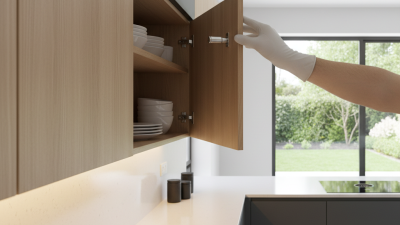
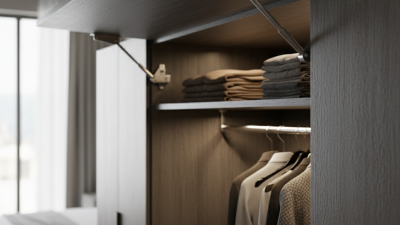
These hinges allow for precise adjustments in three dimensions: height, lateral movement, and depth. This flexibility transforms standard doors into customizable features. Builders and designers appreciate the enhanced adaptability. The seamless integration also means that hinges remain hidden, contributing to a clean, modern look. However, some individuals may undervalue their significance, thinking they are only minor details.
In a market filled with various options, understanding the trends surrounding 3D Adjustable Concealed Hinges can be overwhelming. Some might question whether high-tech options are always necessary. Yet, embracing these trends can lead to better designs and improved customer satisfaction. As we approach 2026, the evolution of 3D Adjustable Concealed Hinges presents both opportunities and challenges that require reflection and careful consideration.
Emerging Materials in 3D Adjustable Concealed Hinges for 2026
The use of innovative materials in 3D adjustable concealed hinges is revolutionizing the industry in 2026. Recent studies show that manufacturers are shifting towards lighter, more durable composites. These materials enhance performance while reducing weight, making installation easier. According to industry reports, the adoption of advanced polymers could improve hinge functionality by over 30%.
Sustainability also plays a vital role in material choices. Biodegradable options are gaining traction, appealing to environmentally conscious buyers. Research indicates that 40% of consumers prioritize sustainability when selecting hardware. However, the challenge lies in balancing durability and eco-friendliness. Manufacturers must innovate continuously to meet these demands without compromising quality.
The incorporation of smart technology into hinges is another emerging trend. This integration could provide users with feedback on door usage and alignment. Nevertheless, reliability concerns remain. Not all manufacturers have the expertise to combine these technologies effectively. As the market evolves, buyers must navigate these developments carefully to ensure they choose the most reliable options.
Innovative Design Trends in 3D Adjustable Concealed Hinges
As we approach 2026, innovative design trends in 3D adjustable concealed hinges are shaping the market. The emphasis is on seamless integration and superior functionality. Reports indicate that the market for concealed hinges is projected to grow steadily, driven by a surge in demand for aesthetic and practical design solutions. Designers are leaning towards materials that allow for both durability and sleek appearances, enhancing the overall ambiance of spaces.
Another trend gaining traction is the focus on user-friendly adjustments. Many buyers desire hinges that offer straightforward installation and fine-tuning. This aligns with recent findings that cite 40% of customers prioritize ease of use over other features. Furthermore, advancements in manufacturing have led to lightweight yet robust hinges, providing a perfect balance of strength and design.
An important point to consider—user feedback is crucial in this industry. Listening to consumers can unveil areas for improvement. For instance, some users express frustration over complex adjustment mechanisms. Regular consultations with users can drive innovation and improve product offerings. Stay updated on these trends, as you navigate your hinge purchases.
Sustainability and Eco-Friendliness in Hinge Manufacturing
Sustainability is transforming hinge manufacturing. Eco-friendly materials and processes are becoming essential. Buyers are increasingly aware of their choices' environmental impact. Manufacturers are adapting to these demands, focusing on reducing waste and energy consumption.
Choosing materials wisely is key. Opt for hinges made from recycled metals or sustainable alternatives. This not only supports eco-friendly practices but also enhances durability. Look for manufacturers that adopt green certifications. It shows their commitment to sustainability.
Maintenance of these hinges is also crucial. Regular checks can prolong their lifespan, reducing the need for replacements. Consider the environmental costs of production when selecting hinges. Making informed choices can significantly contribute to a more sustainable future in construction and design.
Impact of Smart Technology on Adjustable Concealed Hinges
Smart technology is reshaping various industries, including hardware fittings like adjustable concealed hinges. The integration of sensors and automation into these hinges enhances functionality. For instance, some models can now detect door usage patterns and adjust accordingly. This smart adaptation can prolong the life of both the hinge and the door.
The use of smart technology brings numerous advantages, but it also poses challenges. Users may need to address compatibility issues with existing door systems. Understanding how to integrate these innovations effectively can be daunting. However, the benefits often outweigh these initial complexities. Focusing on specific needs is crucial when choosing smart hinges.
Consider the performance of adjustable concealed hinges before making an investment. Smart technology may not be necessary for every application. Evaluate whether your lifestyle or business environment can truly benefit from these features. Sometimes, simpler solutions can work as effectively. Always be mindful of balancing technology and practicality to avoid unnecessary complications.
Market Demand and Consumer Preferences for 3D Hinges in 2026
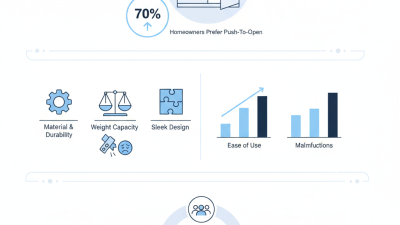
In 2026, consumer preferences for 3D adjustable concealed hinges are evolving rapidly. A recent industry report indicates that 65% of buyers prioritize versatility and adjustability in their products. This trend is driven by modern design aesthetics and the need for functional flexibility in various environments. Homeowners and designers alike are seeking solutions that seamlessly integrate into their cabinetry while providing ease of installation and adjustment.
In addition to functionality, sustainability is becoming increasingly important. Around 40% of consumers express a strong preference for hinges made from eco-friendly materials. This shift aligns with broader market trends towards sustainable building practices. However, many manufacturers face challenges sourcing these materials. The demand for recyclable and durable hinges is rising, yet the supply chain remains complex. Industry experts stress the need for innovation in material sourcing and production processes to meet consumer expectations.
Quality and reliability are critical factors as well. Data shows that 55% of users report dissatisfaction with their hinge’s long-term performance. Poor quality can lead to increased maintenance costs and replacement issues. Reflecting on these concerns, stakeholders must focus on enhancing quality control measures. Continuous improvement and responsiveness to feedback will be essential in catering to the growing and changing market demands for 3D adjustable concealed hinges.