Home hardware manufacturer 18+ years

Leave Your Message
-
E-mail
-
Whatsapp

-
Wechat

Home hardware manufacturer 18+ years


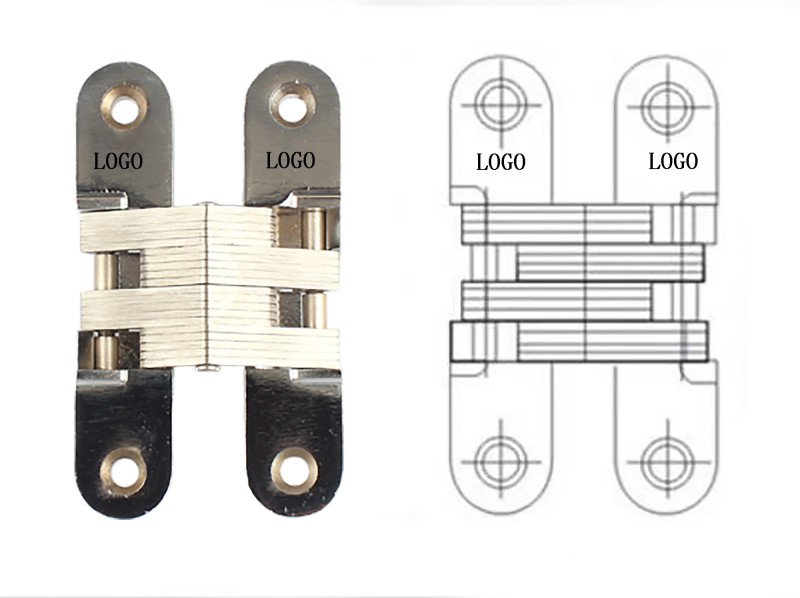
Top-selling 3D adjustable hidden hinges for German cabinet & furniture applications
A 3D adjustable concealed hinge — also known as a hidden or invisible hinge — is a precision hardware component that allows three-dimensional positional adjustment (height, depth, and lateral alignment) while remaining completely invisible when the door or panel is closed. Unlike traditional exposed hinges, concealed hinges maintain a clean, seamless aesthetic that is central to modern European design philosophy.
In Germany, the demand for such hardware has grown substantially alongside the nation's thriving furniture manufacturing industry, high-end kitchen sector, and architectural joinery market. German consumers and designers prioritize both function and aesthetics — making 3D adjustable concealed hinges an essential component in premium cabinetry, residential interiors, and commercial fit-outs across cities like Munich, Berlin, Hamburg, Frankfurt, and Stuttgart.
Fine-tune door alignment on all three axes — up/down, left/right, in/out — with tool-free micro-adjustment screws for a perfect fit every time.
Zero visibility when closed. Ideal for minimalist German Bauhaus-inspired interiors, handleless kitchens, and seamless joinery installations.
Manufactured from high-grade brass and zinc alloy with corrosion-resistant plating — rated for 100,000+ open/close cycles to meet DIN standards.
Understanding the commercial and industrial context driving demand for 3D adjustable concealed hinges in Germany
Germany is Europe's largest furniture producer and exporter. Regions like Ostwestfalen-Lippe (OWL) — home to brands like Nobilia, Hettich, and Häfele — drive massive demand for precision concealed hinges in high-volume kitchen and bedroom furniture production.
Germany's residential construction and Altbau renovation market continues to grow. Architects and interior designers in Berlin, Munich, and Hamburg increasingly specify concealed hinges for their clean-line aesthetic in both new builds and heritage property refurbishments.
German Mittelstand companies demand hardware that meets exacting tolerances. The culture of "Qualität" means buyers rigorously evaluate hinge load ratings, adjustment range, surface finish durability, and compliance with European EN standards before procurement.
Germany leads Europe in sustainable construction (DGNB certification). Long-lasting, low-maintenance concealed hinges contribute to building lifecycle performance — a growing procurement criterion among German commercial property developers and fit-out contractors.
Germany's well-developed hardware wholesale and DIY retail networks — including Bauhaus, OBI, and specialist trade distributors — create strong downstream channels for concealed hinge products targeting both professional installers and DIY enthusiasts.
Cologne's Interzum — the world's leading trade fair for furniture production and interior design — is the premier showcase for innovative hinge technology. German buyers are highly trade-fair-driven, making product innovation and visible quality critical for market entry.
Key developments driving the evolution of concealed hinge technology in Germany and across Europe
The dominant trend in German kitchen design is the fully handleless cabinet — a style requiring hinges with ultra-precise 3D adjustment to ensure perfectly flush door faces. Brands like Bulthaup, SieMatic, and Leicht rely on concealed hinge precision to achieve their signature seamless aesthetic.
As German smart home adoption grows — with the market projected to exceed €8 billion by 2027 — hardware components including hinges are being engineered for compatibility with automated door systems, soft-close mechanisms, and sensor-triggered opening functions.
German manufacturers are under increasing pressure to use recyclable and low-emission materials. Brass and zinc-alloy concealed hinges — which are fully recyclable — align with Germany's Kreislaufwirtschaft (circular economy) agenda and help manufacturers meet ESG procurement criteria.
Germany's hotel, retail, and office refurbishment sector is a major consumer of premium concealed hinges. High-traffic commercial applications demand hinges with extended durability ratings, corrosion resistance, and the ability to support heavier door panels — all areas where 3D adjustable concealed hinges excel.
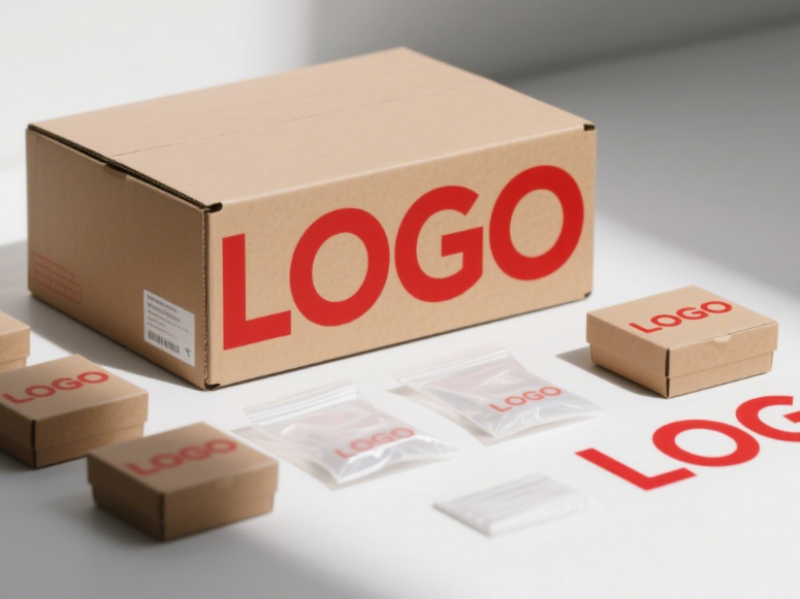
German hardware importers and furniture OEMs increasingly seek ODM partnerships — sourcing custom-specified concealed hinges with private labeling, bespoke packaging, and exclusive finish options. This trend favors manufacturers like ZHIMAX with full in-house design and production capabilities.
German hardware buyers are increasingly sourcing via digital B2B platforms. Transparent product specifications, CAD data availability, and fast sample turnaround have become key purchasing criteria — driving suppliers to invest in digital-first sales infrastructure and online product libraries.
Handleless kitchen designs from Munich to Hamburg demand concealed hinges with sub-millimeter 3D adjustment for perfectly flush door alignment.
Wardrobe systems, media units, and built-in shelving in German residential interiors use concealed hinges to achieve the minimalist Scandinavian-German aesthetic.
Premium hotels in Berlin, Frankfurt, and Düsseldorf specify concealed hinges for guest room furniture — prioritizing silent operation, durability, and refined aesthetics.
Berlin's Altbau renovation projects and historic building restorations use concealed brass hinges to preserve period aesthetics while meeting modern performance standards.
Germany's world-class healthcare sector requires hygienic, easy-clean concealed hinges for medical cabinetry in hospitals, clinics, and research facilities.
High-end retail environments across Germany's commercial districts use concealed hinges in display cases and shop fittings where product presentation is paramount.
Germany's marine and automotive sectors — including luxury yacht builders and premium vehicle interior manufacturers — use corrosion-resistant concealed hinges for compact, high-precision applications.
German Mittelstand machinery manufacturers use heavy-duty concealed hinges for control panel doors, equipment housings, and precision instrument enclosures.
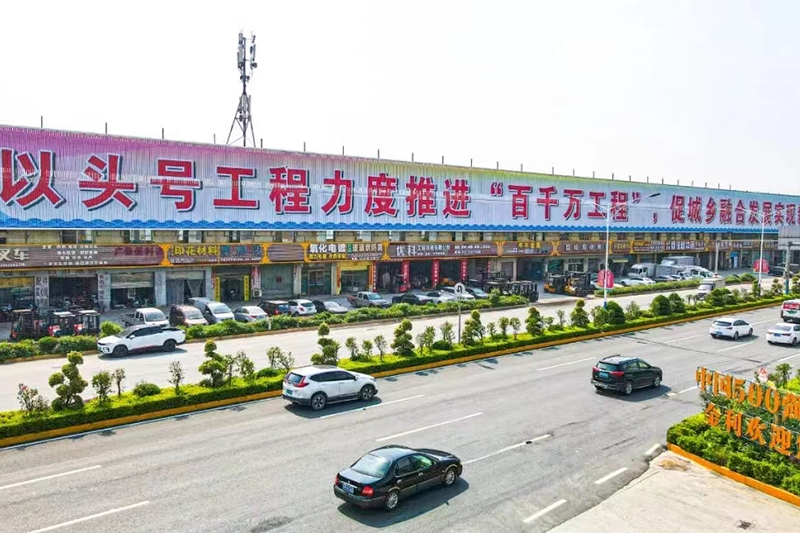
Junjun hardware processing factory, the predecessor of Zhaoqing Leslie Hardware Ltd, was founded in December 2007. After years of accumulated processing experience and continuous innovation, it transformed from a processing factory to a manufacturer focusing on hardware research and development and sales in 2013, establishing Jinliveis Hardware Factory in Gaoyao District.
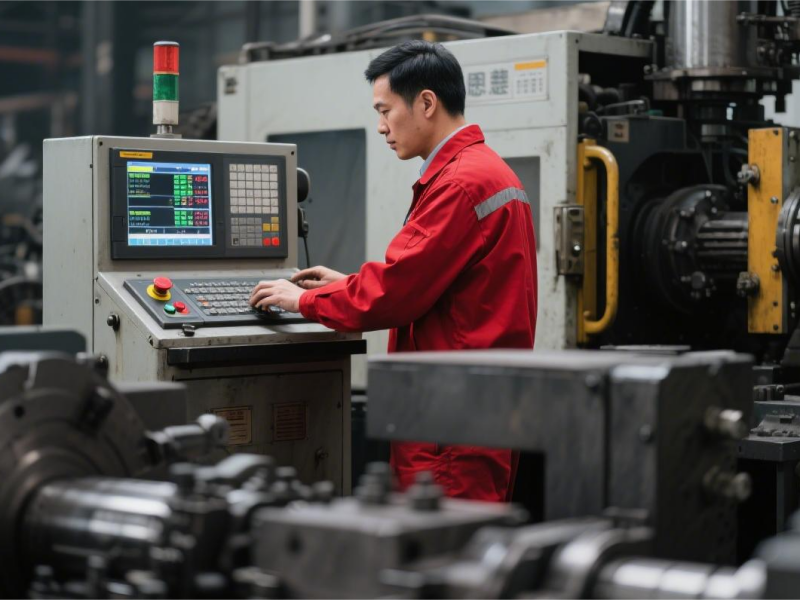
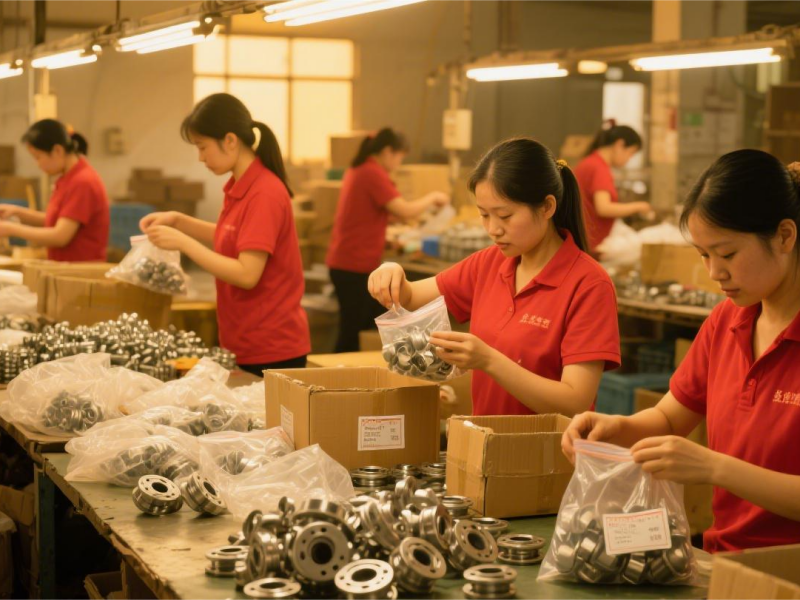
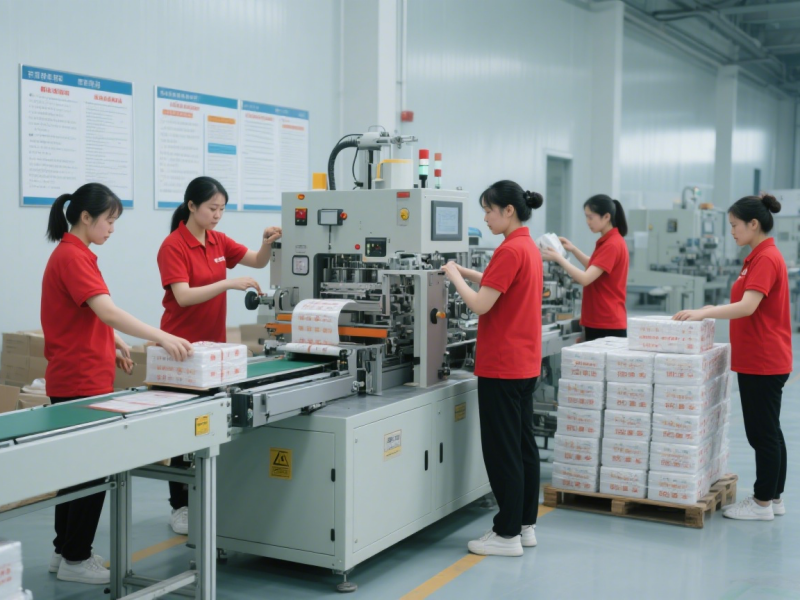
In 2022, Zhaoqing Leslie Hardware Ltd was established and the "ZHIMAX" brand was registered. Today, ZHIMAX operates a 6,000-square-meter modern factory with a professional design team, delivering precision hardware components to clients across Germany and 50+ countries worldwide.
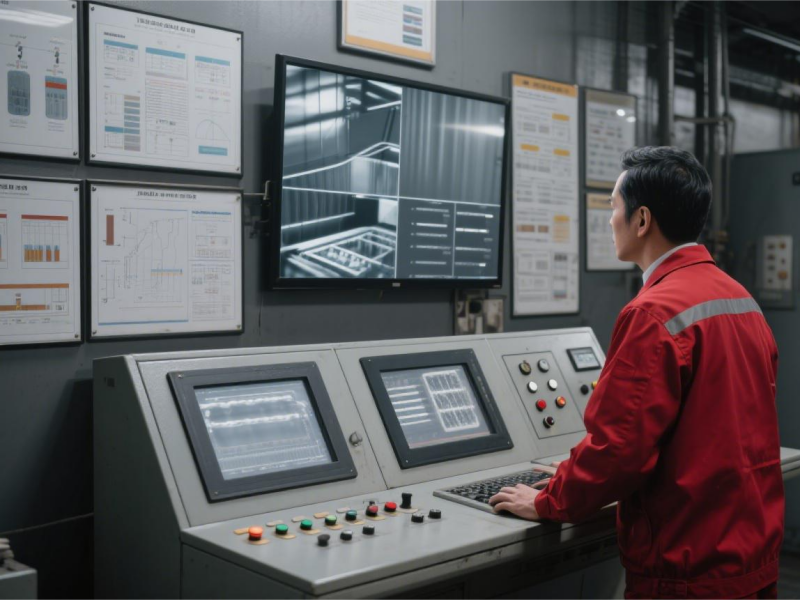
With 18 years of manufacturing expertise, strict quality control processes, and full ODM capabilities — from concept design and mold development to mass production — ZHIMAX is the trusted partner for German furniture manufacturers, kitchen brands, and architectural hardware distributors seeking reliable, high-quality concealed hinge solutions.
Explore ODM Services →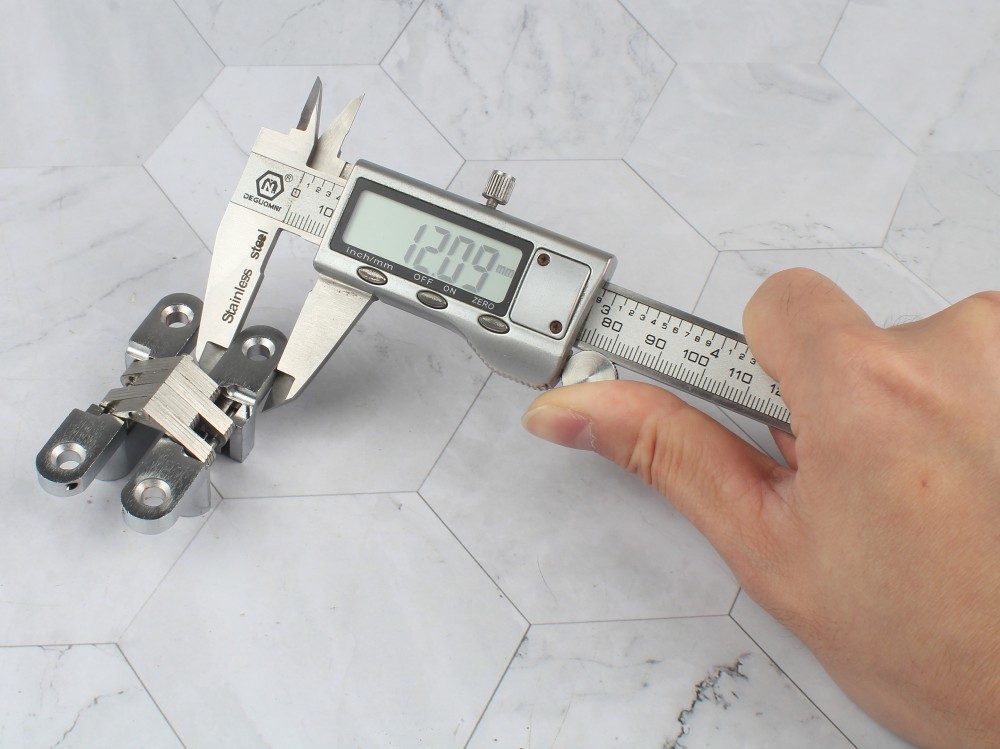
ZHIMAX Hardware specializes in manufacturing high-quality custom hardware components, backed by 18 years of expertise. We maintain strict quality control to meet the most demanding requirements of European and German buyers.
From initial consultation to delivery — our full-cycle ODM solution for German hardware buyers
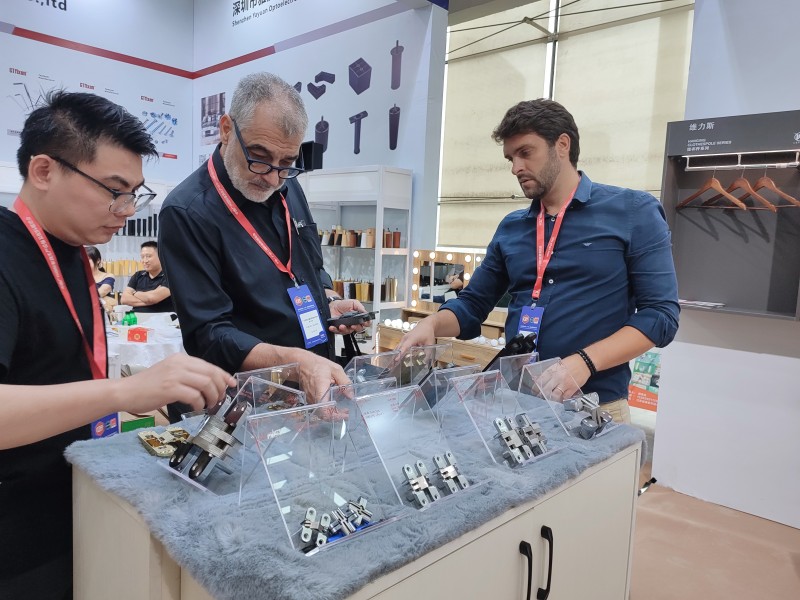
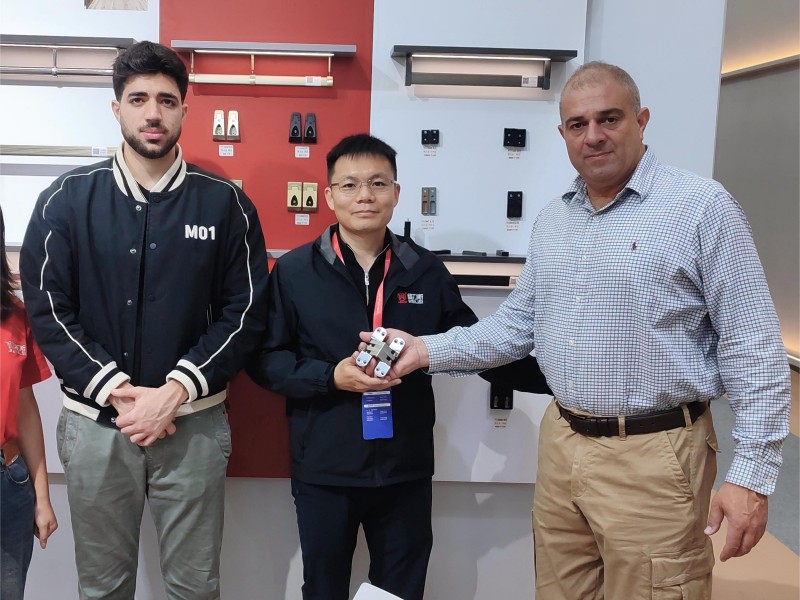




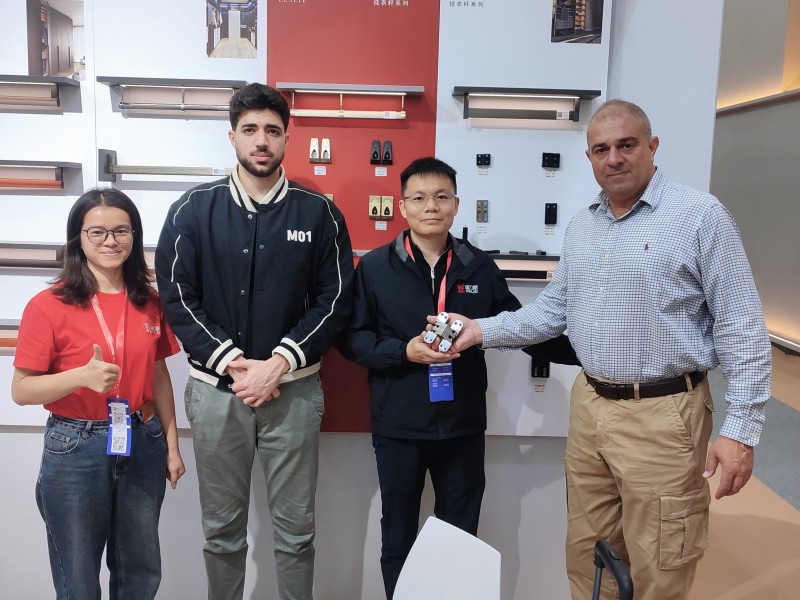
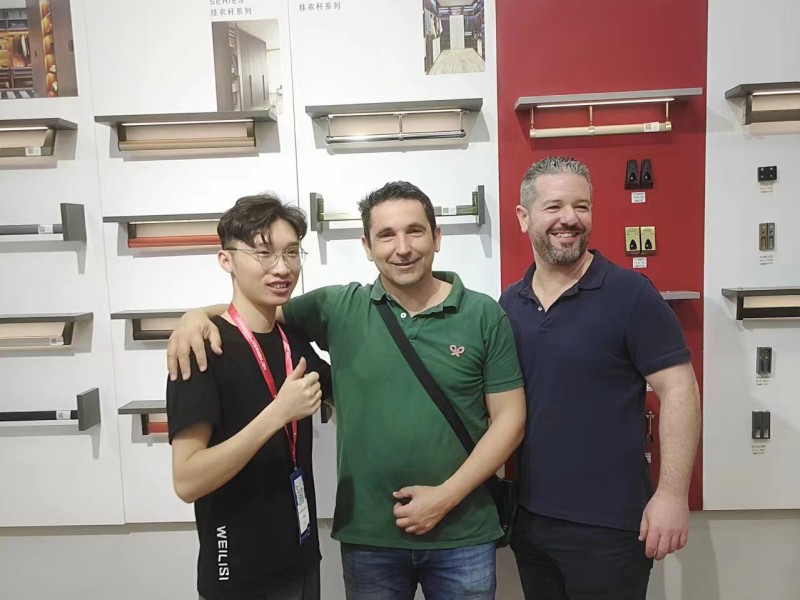
Collaborating with leading brands and distributors across Germany and Europe
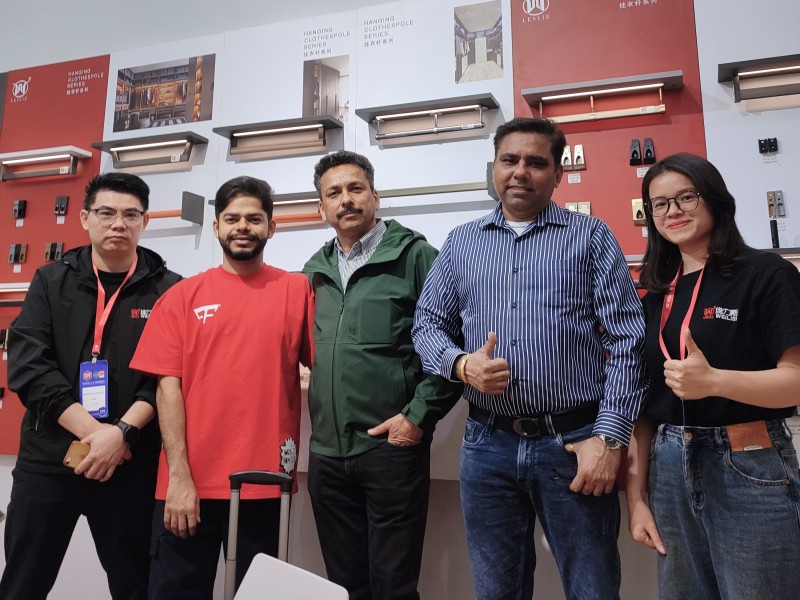
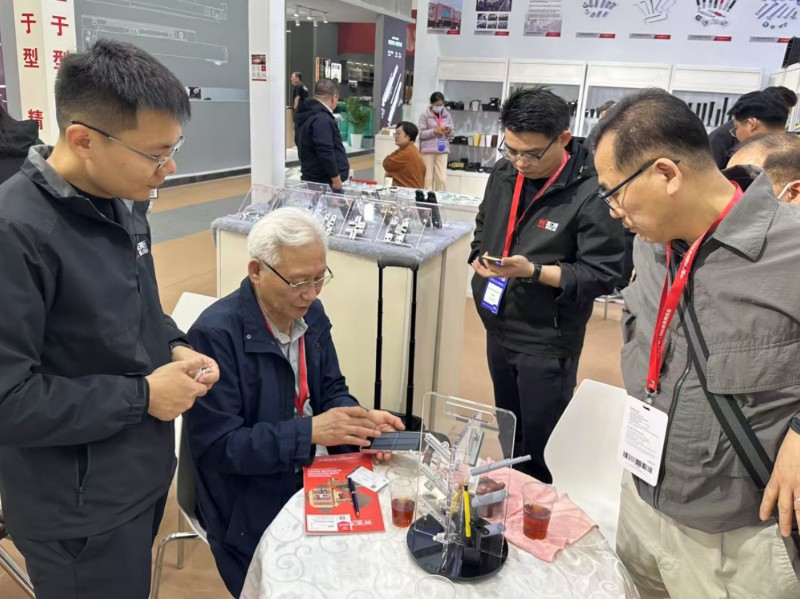
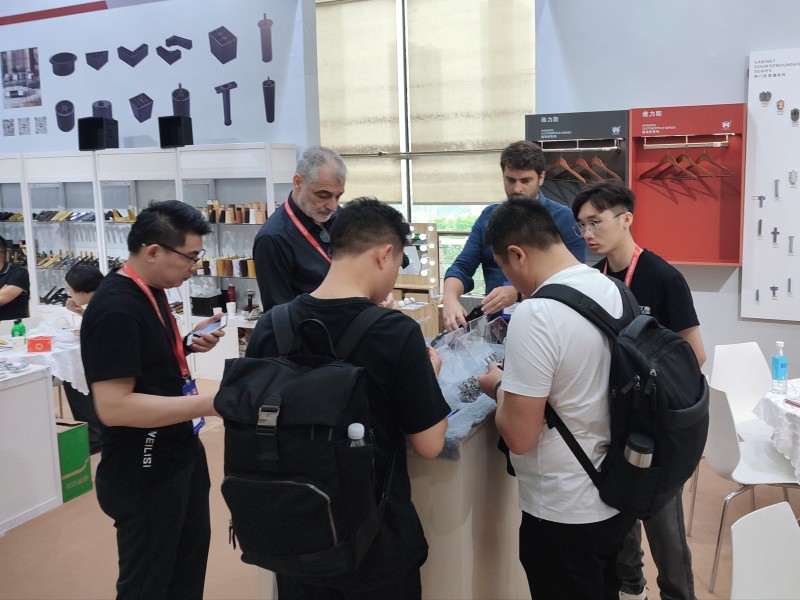
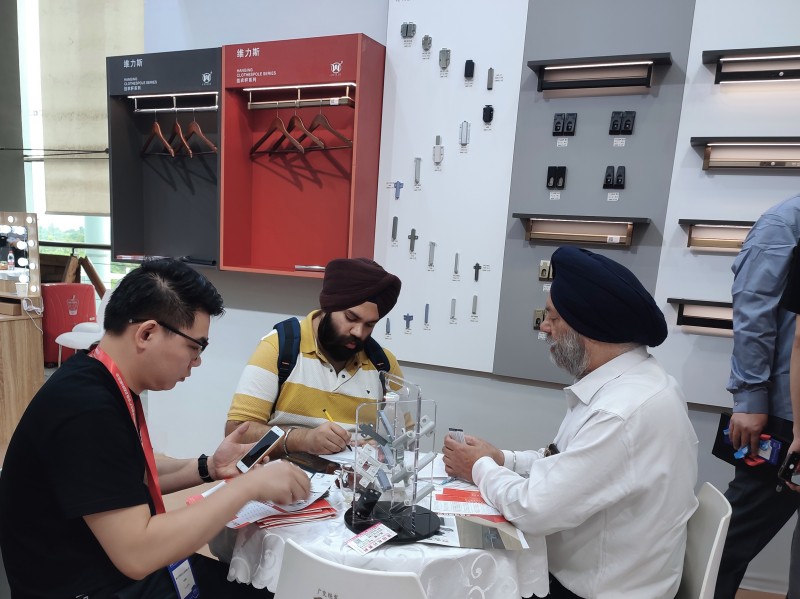
Explore our full range of concealed hinges, adjustable hardware & precision fittings
Contact ZHIMAX today for fast sampling, competitive pricing, and full ODM support tailored to the German market.
Get a Free Quote →


